
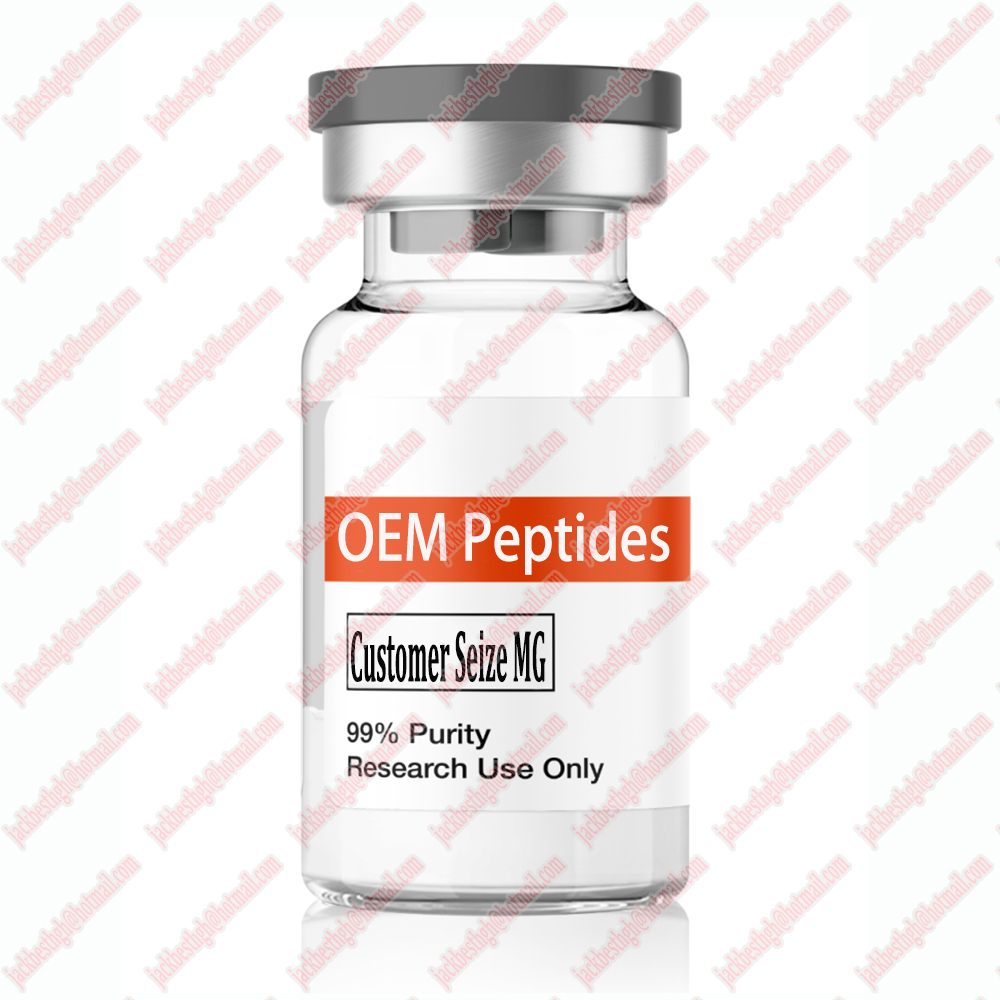
Cardiogen 20mg 10vials
$150.00
Cardiogen is a synthetic tetrapeptide (Ala-Glu-Asp-Arg) bioregulator that penetrates cardiomyocyte nuclei to modulate DNA methylation, upregulating structural protein synthesis and regulating cardiac fibroblast proliferation. A precise tool for myocardial resilience research.
100% delivery
- Satisfaction Guaranteed
- No Hassle Refunds
- Secure Payments
Description
Cardiogen Heart Peptide Bioregulator for Cardiovascular Research
Chemical Properties
- CAS Number: 141613-31-0
- Molecular Formula: C18H30N6O10
- Molecular Weight: 502.5 Da
- Purity: >99.0% via HPLC-UV and Mass Spectrometry
- Appearance: Fine white sterile lyophilizate
How It Works
The biochemical activity of Cardiogen is defined by its ability to penetrate the cell membrane and interact directly with the chromatin structure of cardiomyocytes. The primary mechanism involves the tetrapeptide enters the nucleus and binds to specific DNA sequences to modulate methylation patterns. This defines the first semantic triple: [Cardiogen modulates DNA methylation]. Secondly, this epigenetic interaction facilitates the unwrapping of condensed chromatin, allowing for the up-regulation of genes responsible for structural protein synthesis. This establishes the second triple: [Ala-Glu-Asp-Arg activates myocardial protein synthesis]. Thirdly, Cardiogen influences the functional balance of cardiac fibroblasts, preventing excessive extracellular matrix accumulation. This forms the third triple: [Cardiogen regulates fibroblast proliferation]. Quantitatively, Cardiogen has a short systemic half-life of approximately 45 minutes, yet its epigenetic signaling effects on protein transcription can persist for weeks following a completed research cycle. Unlike Coronateric (the crude bovine-derived extract), Cardiogen is a highly purified synthetic analog that provides researchers with exact dosing control and immediate bioavailability.
Overview
Cardiogen is a synthetic tetrapeptide (Alanyl-Glutamyl-Aspartyl-Arginine) classified as a cytogen bioregulator, specifically engineered to interact with the epigenetic machinery of myocardial tissue. This signaling molecule serves as a primary tool for researchers investigating the restoration of protein synthesis in senescent or stressed heart cells.
Known Effects
- Enhanced Myocardial Resilience: Users report significant improvements in physical endurance and recovery markers in models of cardiovascular stress.
- Resolution of Fibrotic Signaling: Experimental findings suggest that the peptide assists in maintaining optimal heart wall thickness by modulating fibroblast activity.
- Optimized Microvascular Perfusion: Per experimental records, research shows improved oxygen delivery to heart tissue during intense metabolic phases.
- Normalization of Cardiac Rhythm: Multiple research groups note a stabilizing effect on cellular electrical signaling in heart tissue models.
- Synergistic Capacity: Often researched alongside Epithalamin Epithalon to investigate systemic longevity and metabolic homeostasis.
In Brief:
Cardiogen represents a high-feasibility research tool for investigating epigenetic myocardial repair and the precise modulation of heart tissue protein synthesis.
Frequently Asked Questions
What is the half-life of Cardiogen?
Cardiogen has a systemic half-life of 45 minutes, though its epigenetic effects on protein synthesis can persist for several weeks.
How should Cardiogen be stored after mixing?
Once mixed with Bacteriostatic Bac.water, the solution must be refrigerated at 2-8 degrees Celsius and used within 10 days.
Is Cardiogen different from animal heart extracts?
Yes, Cardiogen is a synthetic tetrapeptide, providing higher purity and more predictable research results than crude animal-derived bioregulators.
What is the standard research dosage?
Experienced researchers typically use 1mg to 5mg daily for 10-20 days to evaluate myocardial protein synthesis and recovery.
Can Cardiogen be frozen after reconstitution?
No, freezing reconstituted Cardiogen can damage the peptide structure; researchers should only freeze the lyophilized powder for long-term storage.
These statements have not been evaluated by the Food and Drug Administration. This product is not intended to diagnose, treat, cure, or prevent any disease. Consult a qualified healthcare professional before use.
You must be logged in to post a review.
Related products
-
-
-
- Sale!
Dermorphin 5mg*10vials*1kits – Best Eeffect Hiqh Purity Peptides Product
Original price was: $150.00.$65.00Current price is: $65.00.


Reviews
There are no reviews yet.