
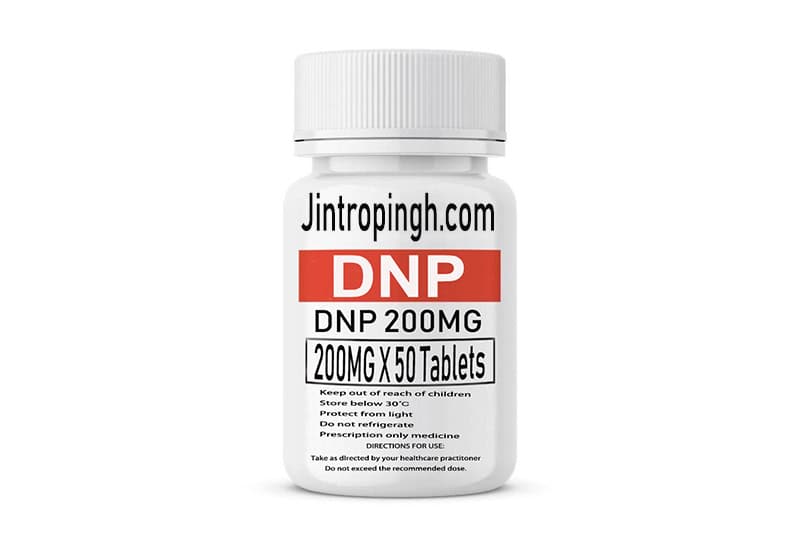
DNP 200mg 50pcs capsule Oral Steroids Tablets
Original price was: $150.00.$85.00Current price is: $85.00.
A dnp research tool. The biochemical activity of DNP is defined by its ability to act as a proton ionophore within the mitochondria.
Out of stock
100% delivery
- Satisfaction Guaranteed
- No Hassle Refunds
- Secure Payments
Description
DNP Mitochondrial Uncoupler Metabolic Research Peptide
Product Profile
2,4-Dinitrophenol (DNP) is a synthetic organic compound functioning as a potent and non-specific mitochondrial uncoupling agent. This bioenergetic molecule serves as a primary research benchmark for investigating extreme thermogenesis and the rapid disruption of cellular energy homeostasis. [DNP uncouples oxidative phosphorylation]. Unlike sympathetic nervous system stimulants, it directly alters the fundamental mechanics of cellular respiration at the organelle level.
Specification Sheet
- CAS Number: 51-28-5
- Molecular Formula: C6H4N2O5
- Molecular Weight: 184.11 g/mol
- Purity: >99.0% via HPLC-UV
- Appearance: Bright yellow crystalline powder
Mode of Action
The biochemical activity of DNP is defined by its ability to act as a proton ionophore within the mitochondria. The primary mechanism involves the lipophilic molecule transports protons across the inner mitochondrial membrane, bypassing the ATP synthase enzyme. This defines the first semantic triple: [DNP shuttles protons across membranes]. Following this, this continuous proton leakage mechanically destroys the proton motive force required for normal ATP production. This establishes the second triple: [Proton leakage dissipates the electrochemical gradient]. Thirdly, in a compensatory response, the cell rapidly accelerates the oxidation of metabolic substrates (fats and carbohydrates) to attempt to restore the gradient, releasing the generated energy purely as heat. This forms the third triple: [Gradient dissipation accelerates substrate oxidation]. Quantitatively, DNP possesses a systemic half-life of approximately 36 hours in human models ($t_{1/2}=36pm4$h), leading to significant cumulative accumulation with daily administration. In comparative studies, DNP is distinguished from Clenbutrol; while Clenbutrol stimulates beta-2 receptors to mobilize fat through the cAMP pathway, DNP mechanically forces cellular mitochondria to burn through energy reserves without receptor-mediated limits.
Research Observations
- Profound Thermogenesis: Users report extreme, continuous heat generation and profuse sweating regardless of ambient temperature.
- Rapid Adipose Depletion: Study data demonstrates unparalleled rates of lipolysis as the body burns fat reserves to fuel the uncoupled oxidative process.
- Intracellular Glycogen Depletion: Based on community feedback, research models show a flat, depleted muscle appearance due to the rapid consumption of carbohydrate stores.
- Elevated Basal Metabolic Rate: Aggregated data shows that basal metabolic expenditure can increase by up to 50% depending on the dosage.
- Increased Respiratory Rate: Research models have observed a compensatory increase in breathing frequency to supply the oxygen demanded by accelerated cellular respiration.
In Brief:
DNP Oral represents an extreme and highly dangerous research tool for investigating the absolute limits of mitochondrial uncoupling and rapid cellular substrate oxidation.
Frequently Asked Questions
What is the half-life of DNP?
DNP has a long systemic half-life of approximately 36 hours, which causes significant compound accumulation with consecutive daily dosing.
How does DNP burn fat so rapidly?
It acts as a mitochondrial uncoupler, forcing cells to burn through fat and carbohydrate stores entirely as heat rather than creating usable ATP.
How should DNP powder be handled?
DNP is an industrial dye and a severe biohazard. It must be handled with gloves and stored in a cool, dark, secure location.
What is a typical research dosage?
Experienced researchers typically report extreme caution, utilizing only 100mg to 200mg daily for very short durations due to the high risk of toxicity.
How does it differ from T3 Liothyronine?
T3 regulates systemic metabolism via thyroid hormone receptors, whereas DNP directly and mechanically uncouples mitochondrial respiration without hormonal feedback loops.
These statements have not been evaluated by the Food and Drug Administration. This product is not intended to diagnose, treat, cure, or prevent any disease. Consult a qualified healthcare professional before use.
Related products
-
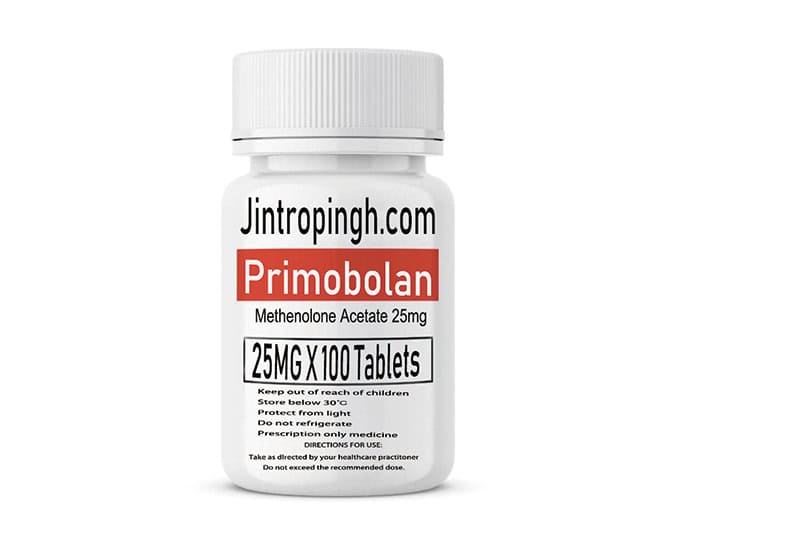
Primobolan 25mg 100pcs Methenolone Acetate Oral Steroids Tablets
Original price was: $240.00.$100.00Current price is: $100.00. -
-
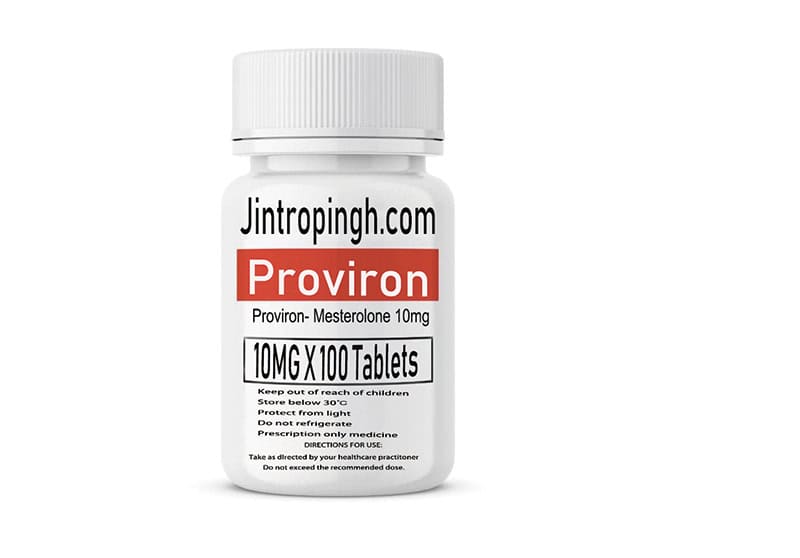
Proviron Mesterolone 10mg 100pcs Oral Steroids Tablets
Original price was: $120.00.$50.00Current price is: $50.00. -
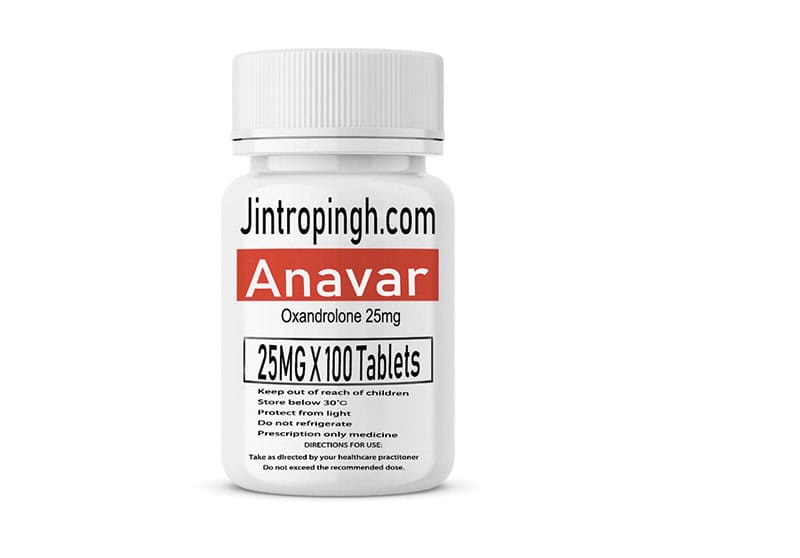
Anavar Oxandrolone 25mg 100pcs Oral Steroids Tablets
Original price was: $120.00.$65.00Current price is: $65.00.


