
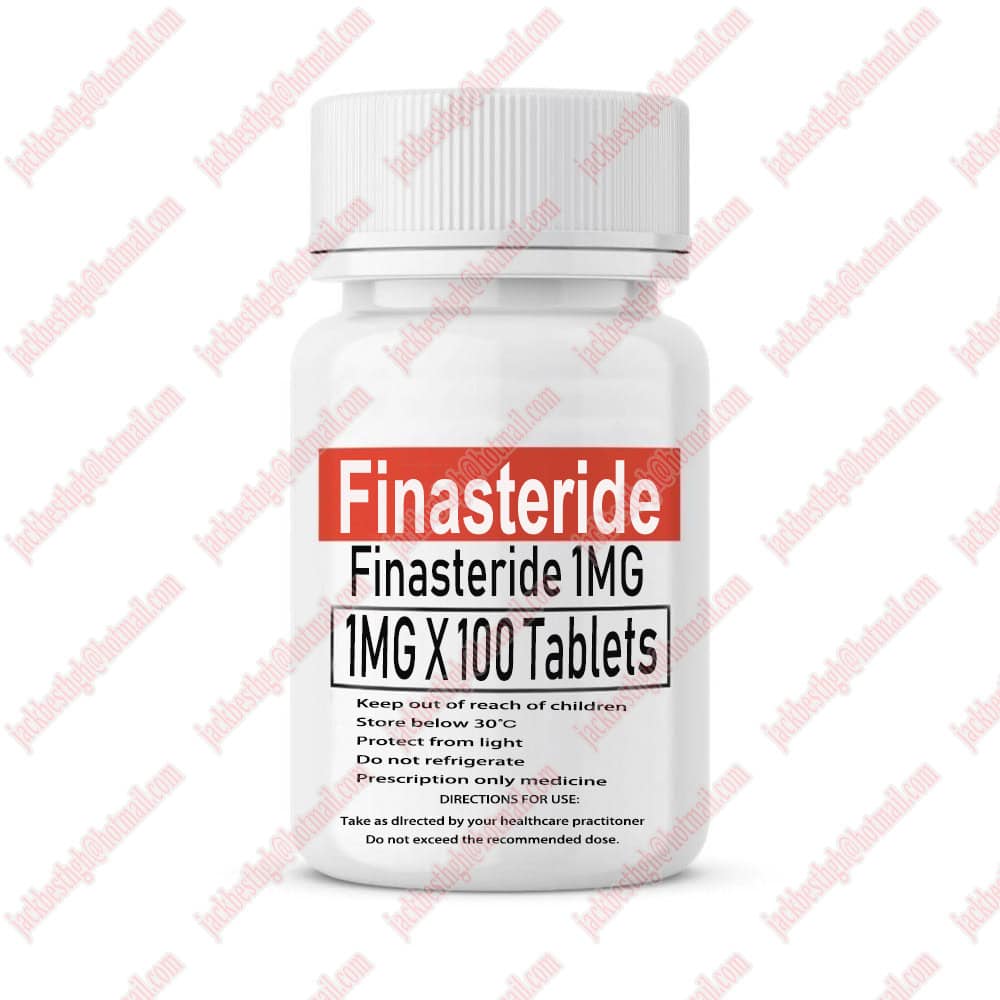
Finasteride 1mg 100pcs Oral Steroids Tablets
Original price was: $100.00.$50.00Current price is: $50.00.
Type II 5-AR inhibitor for DHT suppression research. Study androgenetic alopecia and BPH pathways.
Out of stock
100% delivery
- Satisfaction Guaranteed
- No Hassle Refunds
- Secure Payments
Description
Finasteride 1mg Type II 5-AR Inhibitor Hair Research
Molecular Data
- CAS Number: 98319-26-7
- Molecular Formula: C23H36N2O2
- Molecular Weight: 372.54 g/mol
- Purity: >99.0% via HPLC-UV
- Appearance: Fine white crystalline powder
Pharmacodynamics
The biochemical activity of Finasteride is defined by its selective, competitive binding to the Type II isoform of the 5-alpha-reductase enzyme. The primary mechanism involves the molecule occupies the active site of the enzyme, blocking the reduction of testosterone’s delta-4,5 double bond. This defines the first semantic triple: [Finasteride binds the Type II enzyme]. Following this, this specific inhibition mechanically reduces the localized production of dihydrotestosterone by approximately 70% in serum. This establishes the second triple: [Enzyme inhibition reduces systemic DHT]. Thirdly, the resulting decrease in DHT signaling diminishes the activation of nuclear androgen receptors in hair follicles, preventing progressive miniaturization. This forms the third triple: [Reduced DHT signaling preserves follicular architecture]. Quantitatively, Finasteride possesses a relatively short systemic half-life of approximately 5 to 6 hours ($t_{1/2}=6.0pm1.0$h) in research models, though its biological effect on tissue DHT levels persists much longer. In comparative studies, Finasteride is distinguished from Dutasteride by its selectivity; it does not significantly inhibit the Type I isoenzyme, leaving sebaceous gland DHT production largely unaffected.
Product Profile
Finasteride is a synthetic 4-azasteroid compound engineered as a competitive and specific inhibitor of the Type II 5-alpha-reductase enzyme. This signaling molecule serves as a primary research benchmark for investigating the targeted suppression of dihydrotestosterone (DHT) biosynthesis within specific peripheral tissues, particularly the scalp and prostate. [Finasteride selectively inhibits Type II 5-alpha-reductase]. By preventing the localized conversion of testosterone, it provides a high-fidelity model for evaluating androgen-mediated cellular signaling and follicular resilience without completely eliminating systemic DHT.
Experimental Outcomes
- Targeted DHT Suppression: Users report a significant, roughly 70% reduction in circulating dihydrotestosterone, preserving a baseline level of androgenic signaling.
- Follicular Preservation: Published research indicates high efficacy in halting hair miniaturization and maintaining density in androgen-sensitive scalp regions.
- Prostatic Tissue Regulation: Based on community feedback, research models show effectiveness in managing localized tissue tension in the prostate.
- Endocrine Shift: Cross-study analysis suggests a mild elevation (approximately 15%) in systemic testosterone, as less is converted to DHT, potentially increasing the substrate available for aromatization.
- Minimal Skin Oil Modulation: Research models have observed that unlike dual-inhibitors, Finasteride does not significantly reduce sebum production due to its lack of Type I inhibition.
In Brief:
Finasteride Oral represents a high-feasibility research tool for investigating the selective inhibition of Type II 5-alpha-reductase and the molecular pathways of localized androgen signaling.
Frequently Asked Questions
What is the half-life of Finasteride?
Finasteride has a systemic half-life of 5 to 6 hours, though tissue DHT suppression lasts much longer, allowing for daily dosing.
How should Finasteride powder be stored?
Dry crystalline powder should be kept in a cool, dark place at room temperature to ensure maximum chemical purity and shelf-life.
How does it differ from Dutasteride?
Finasteride only inhibits Type II 5-AR (reducing DHT by ~70%), whereas Dutasteride inhibits both Type I and Type II (reducing DHT by >90%).
What is a typical research dosage?
Experienced researchers typically utilize 1mg daily for follicular studies, often adjusting frequency based on observed subject tolerance and endocrine response.
Can Finasteride be dissolved in water?
No, Finasteride is hydrophobic and requires organic solvents like ethanol or DMSO to achieve stable, high-concentration research solutions.
These statements have not been evaluated by the Food and Drug Administration. This product is not intended to diagnose, treat, cure, or prevent any disease. Consult a qualified healthcare professional before use.
You must be logged in to post a review.
Related products
-
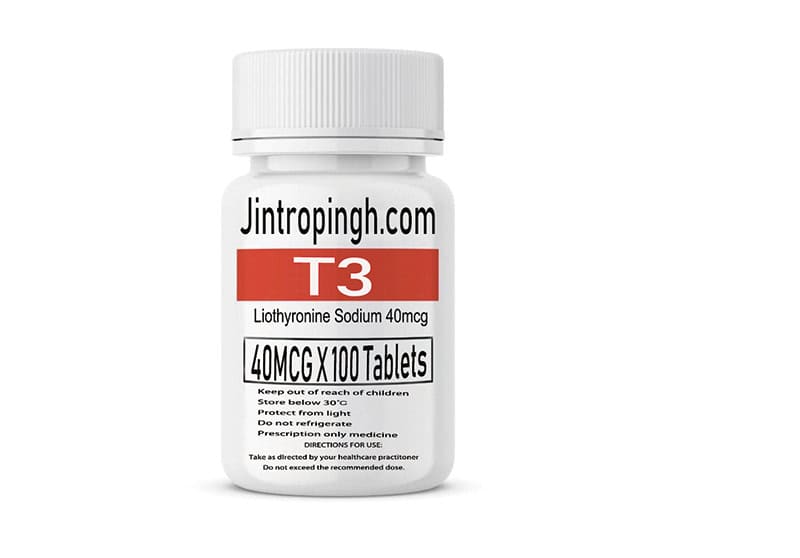
T3 Liothyronine sodium 40mcg 100pcs Oral Steroids Tablets
Original price was: $110.00.$50.00Current price is: $50.00. -
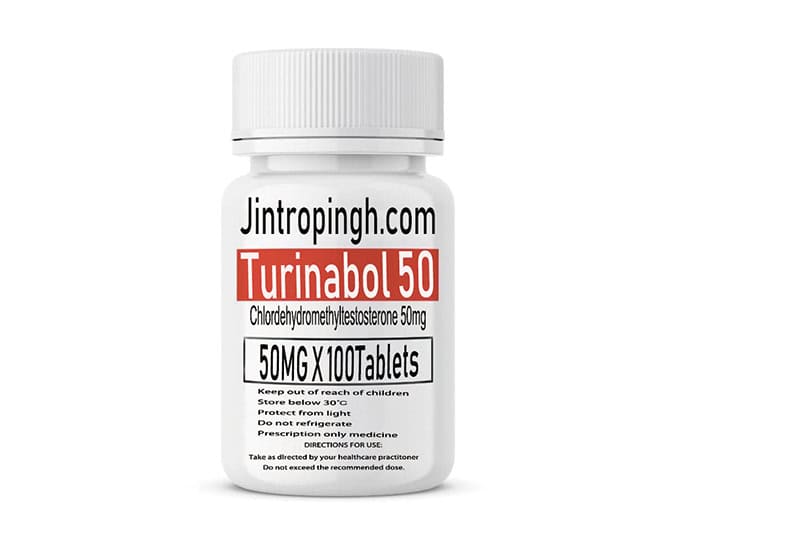
Turinabol 50mg 100pcs Chlorodehydromethyltestosterone Oral Steroids Tablets
Original price was: $150.00.$85.00Current price is: $85.00. -
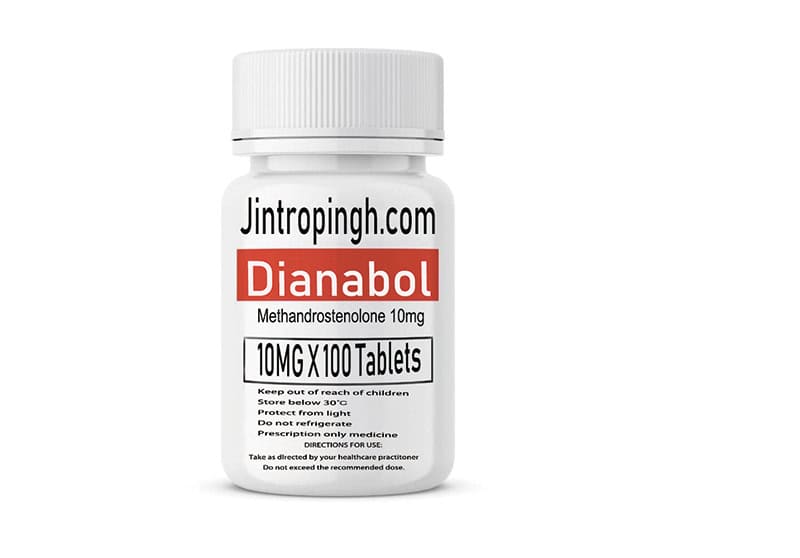
Dianabol 10mg 100pcs Methandrostenolone Methandienone Oral Steroids Tablets
Original price was: $110.00.$45.00Current price is: $45.00. - Sale!
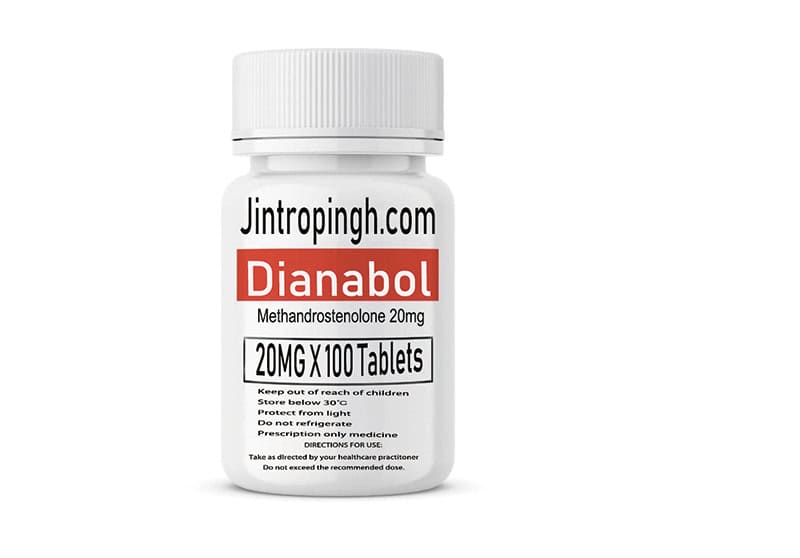
Dianabol 20mg 100pcs Methandrostenolone Methandienone Oral Steroids Tablets
Original price was: $120.00.$60.00Current price is: $60.00.


Reviews
There are no reviews yet.