
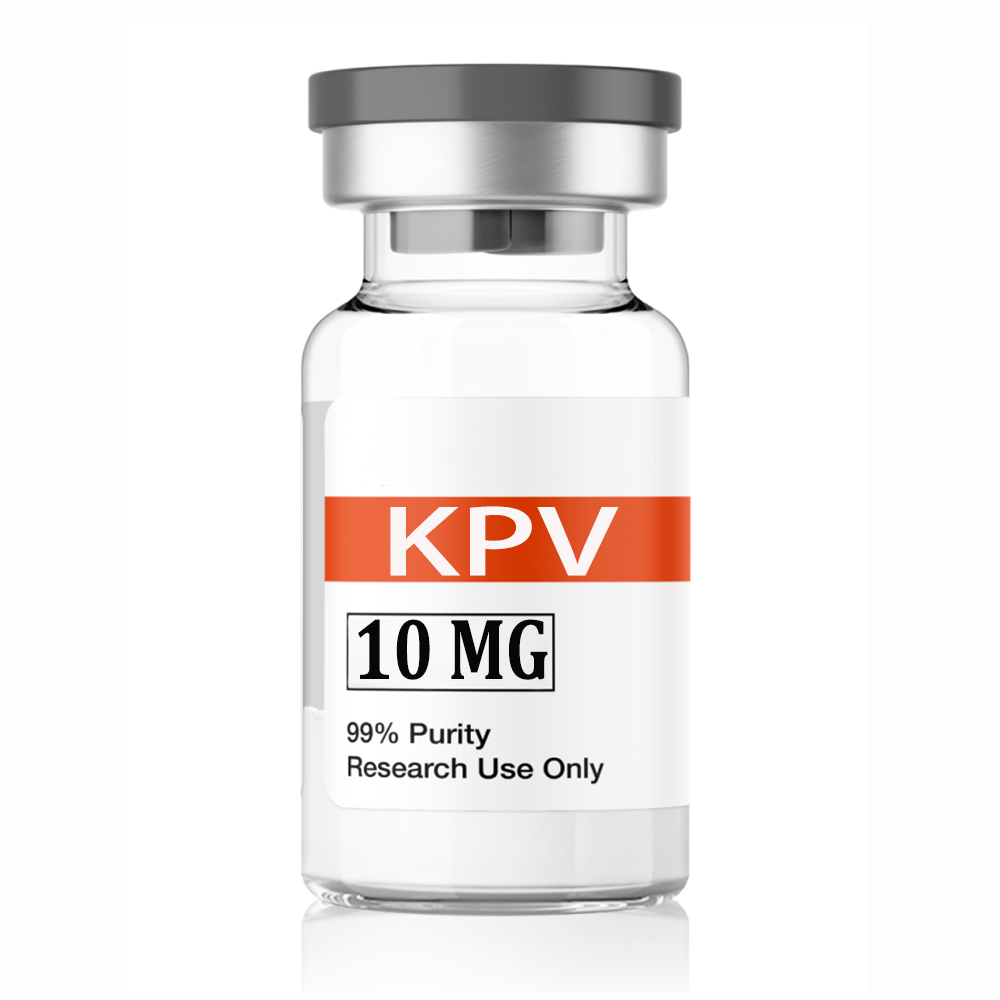
KPV peptides 10mg 10vials 1 kits
Original price was: $130.00.$100.00Current price is: $100.00.
KPV is a C-terminal tripeptide fragment of alpha-MSH that inhibits NF-kB nuclear translocation and activates MC1R signaling to suppress pro-inflammatory cytokines. Unlike melanocortin peptides, it delivers potent anti-inflammatory effects without melanogenesis.
100% delivery
- Satisfaction Guaranteed
- No Hassle Refunds
- Secure Payments
Description
KPV Alpha-MSH Tripeptide Immunomodulatory & Anti-Inflammatory Research
Overview
KPV is a potent C-terminal tripeptide fragment of the alpha-melanocyte-stimulating hormone (??-MSH), composed of the amino acid sequence Lysine-Proline-Valine. Unlike its parent molecule, this signaling molecule serves as a primary modulator of the inflammatory response without inducing the pigmentary changes typically associated with melanocortin peptides.
Specification Sheet
- CAS Number: 67909-31-3
- Molecular Formula: C16H30N4O4
- Molecular Weight: 342.4 g/mol
- Purity: >99.0% via HPLC-UV and Mass Spectrometry
- Appearance: Fine white sterile lyophilizate
Pharmacodynamics
The KPV tripeptide operates through a highly specific intracellular signaling cascade that primarily targets the nuclear factor kappa-light-chain-enhancer of activated B cells (NF-??B). In biochemical models, KPV enters the cell and inhibits the translocation of NF-??B into the nucleus, thereby preventing the transcription of pro-inflammatory cytokines such as IL-6 and TNF-??. This specific action defines the first semantic triple: [KPV inhibits NF-??B]. Furthermore, KPV interacts with the Melanocortin 1 Receptor (MC1R) on immune cells to promote a shift toward a restorative state. This establishes the second triple: [KPV activates MC1R]. Lastly, KPV demonstrates the ability to down-regulate the expression of adhesion molecules on endothelial cells, creating the third triple: [KPV reduces endothelial adhesion]. Quantitatively, KPV exhibits biological activity at remarkably low concentrations, often in the picomolar range ($10^{-12} text{M}$). Unlike systemic ??-MSH or MT-2 Melanotan 2 Acetate, KPV lacks the specific “His-Phe-Arg-Trp” motif, which ensures it remains non-melanogenic and does not stimulate skin darkening during research protocols.
Known Effects
- Systemic Inflammation Reduction: Investigators observe a significant decrease in markers of systemic inflammation during active research phases.
- Gastrointestinal Mucosal Support: Controlled trials show that KPV is particularly viable for investigating the integrity of the intestinal lining and reducing localized gut distress.
- Accelerated Dermal Repair: Per experimental records, topical or systemic application may speed up the resolution of dermal abrasions by modulating the early-phase inflammatory response.
- Dermal Homeostasis: Research models indicate a reduction in localized redness and swelling when applied to reactive skin conditions.
- Antimicrobial Synergy: Community consensus suggests that KPV may enhance the effects of traditional agents by disrupting bacterial biofilm formation in vitro.
In Brief:
KPV represents a high-feasibility research tripeptide for investigating the resolution of chronic inflammation through NF-??B and MC1R pathways.
Frequently Asked Questions
What is the biological half-life of KPV?
In systemic circulation, KPV has a short half-life of 30-60 minutes, though its intracellular effects on NF-??B signaling can persist much longer.
Does KPV cause skin tanning like MT-2?
No, KPV lacks the melanogenic amino acid sequence required to stimulate melanin production, making it non-tanning during research.
Can KPV be administered orally for gut research?
Yes, many researchers utilize oral delivery as KPV is remarkably stable against gastric proteolysis compared to larger, more complex peptides.
How should KPV be stored after mixing?
After reconstitution with Bacteriostatic Bac.water, the solution must be kept refrigerated at 2-8??C and used within two weeks for maximum potency.
What is the typical research cycle for KPV?
Experienced users generally conduct research over a 6 to 8-week period to allow for measurable changes in inflammatory biomarkers.
These statements have not been evaluated by the Food and Drug Administration. This product is not intended to diagnose, treat, cure, or prevent any disease. Consult a qualified healthcare professional before use.
You must be logged in to post a review.
Related products
- Sale!
Epithalon Epithalamin 10mg*10vials*1kits – Best Eeffect Hiqh Purity Peptides Product
Original price was: $150.00.$90.00Current price is: $90.00. - Sale!
Melanotan 2 MT-2/MT-II 10mg * 10 Vials * 1 kit – Best Eeffect Hiqh Purity Peptides Product
Original price was: $140.00.$90.00Current price is: $90.00. - Sale!
GHRP-6 Acetate 5mg-Best Eeffect Peptides Product In Cheaper Price
Original price was: $90.00.$50.00Current price is: $50.00. - Sale!
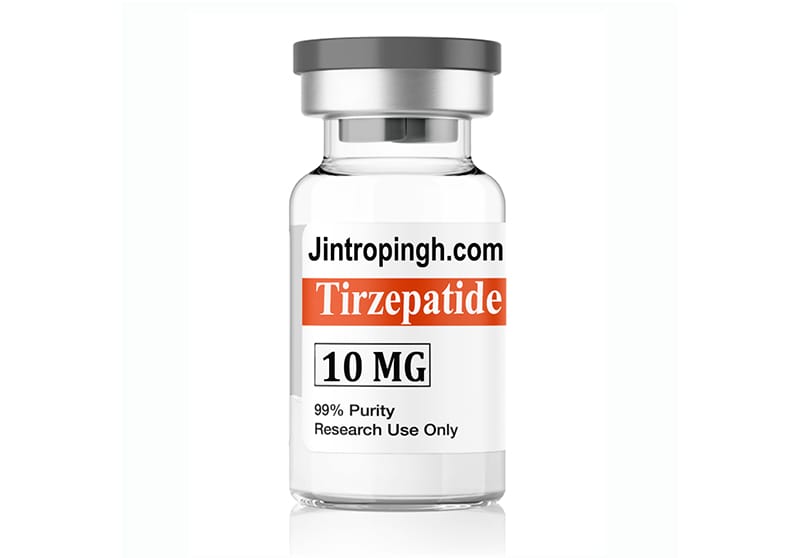
Tirzepatide 10mg – Best effect and Reviews For Weight Loss Bodybuilding
Original price was: $130.00.$120.00Current price is: $120.00.


Reviews
There are no reviews yet.