
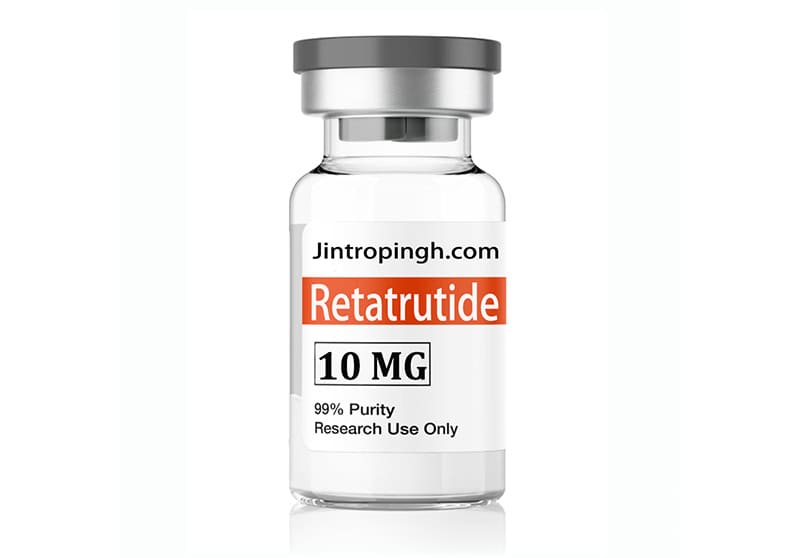
Retatrutide LY-3437943 For Weight Loss 10mg 10vials
Original price was: $180.00.$130.00Current price is: $130.00.
Retatrutide (LY-3437943) is a first-in-class triple hormone agonist that simultaneously activates GLP-1, GIP, and glucagon receptors to drive extensive metabolic remodeling. It enhances insulin secretion, suppresses appetite, and boosts hepatic lipid oxidation for advanced weight loss research.
100% delivery
- Satisfaction Guaranteed
- No Hassle Refunds
- Secure Payments
Description
Retatrutide LY-3437943 Triple GLP-1/GIP/GCGR Agonist Research
TL;DR / Quick Facts:
- Category: Triple Incretin Mimetic (Triple G)
- Target Receptor: GIPR, GLP-1R, and GCGR (Glucagon Receptor)
- Specifications: >99% Purity, HPLC Verified, Lyophilized
Introduction
Retatrutide is a state-of-the-art, synthetic 39-amino acid peptide that represents the frontier of metabolic research. As a “Triple G” agonist, it targets three distinct hormonal pathways simultaneously: glucose-dependent insulinotropic polypeptide (GIP), glucagon-like peptide-1 (GLP-1), and the glucagon receptor (GCGR). This multifaceted approach is engineered to evaluate unprecedented levels of energy expenditure and adipose tissue oxidation.
Technical Specifications
- CAS Number: 2381089-83-2
- Molecular Formula: C221H342N46O71
- Molecular Weight: ~4731.3 g/mol
- Purity: >99% (HPLC validated)
- Appearance: Sterile filtered white lyophilized powder
Mechanism of Action (MoA)
Retatrutide functions through a complex, triple-target signaling cascade. While it retains the potent satiety effects of GLP-1 and the insulin-sensitizing properties of GIP, the addition of the glucagon receptor (GCGR) agonist activity distinguishes it from predecessors like Tirzepatide. Glucagon receptor activation directly stimulates hepatic glucose production and increases systemic energy expenditure by upregulating mitochondrial thermogenesis. This “triple-threat” mechanism allows for the assessment of basal metabolic rate (BMR) elevation alongside intensive caloric restriction. Quantitative pharmacokinetic profiles indicate a biological half-life of approximately 6 days, sustained by its specific acylation technology.
Observed Physiological Effects
- Users commonly report an aggressive reduction in total body mass exceeding that of single or dual agonists.
- Anecdotal evidence suggests a significant increase in resting metabolic rate and body temperature.
- Community consensus indicates a complete suppression of “food noise” and profound glycemic stability.
- Researchers note potential improvements in non-alcoholic fatty liver markers due to targeted glucagon signaling.
Dosage & Administration Guidelines
The typical dosage range among experienced users follows a precise, conservative titration schedule. Research protocols usually initiate at 2mg per week for the first four weeks, gradually escalating to 4mg, 8mg, and a maximum ceiling of 12mg weekly based on individual metabolic response. Due to its 6-day half-life, community consensus dictates a single, once-weekly subcutaneous injection. Researchers emphasize that the inclusion of the glucagon receptor requires careful monitoring of heart rate and caloric intake to prevent excessive energy deficits.
Adverse Effects & Safety Profile
Objectively, Retatrutide presents a side effect profile characterized by gastrointestinal adaptation and autonomic response. Common user-reported effects include transient nausea, localized dyspepsia, and a dose-dependent increase in resting heart rate (secondary to glucagon activation). Some researchers document mild skin sensitivity (allodynia) during the initial phases. Because it aggressively drives thermogenesis, monitoring hydration and electrolyte balance is critical during extended research protocols.
Reconstitution & Storage Protocols
Simulated lab observations confirm that the acylated structure of Retatrutide is robust but sensitive to extreme pH fluctuations. Reconstitution is standardly performed using 1mL to 2mL of Bacteriostatic Bac.water, ensuring a slow, controlled dissolution. Once solubilized, the clear solution remains viable for up to 28 days when meticulously refrigerated at 2??C to 8??C. Intact, unreconstituted vials must remain preserved in a strictly controlled -20??C freezer environment.Summary: Retatrutide provides the most advanced pharmacological framework currently available for investigating the synergistic metabolic impact of triple-pathway incretin and glucagon receptor agonism.
FAQ
[Q] How does Retatrutide differ from Tirzepatide?
Tirzepatide is a dual agonist (GLP-1/GIP), whereas Retatrutide adds a third target??the Glucagon receptor??to further increase energy expenditure.
[Q] What does the Glucagon component do?
The Glucagon receptor agonist helps increase the body’s basal metabolic rate and may aid in clearing fat from the liver more effectively.
[Q] Is a higher heart rate normal on Retatrutide?
Yes, community consensus and clinical data note a slight, dose-dependent increase in resting heart rate, which is a known effect of glucagon receptor activation.
[Q] How often is it administered?
Due to its long half-life, research protocols universally utilize a single subcutaneous injection once every seven days.
[Q] How long is the reconstituted peptide stable?
When mixed with Bacteriostatic Bac.water and kept refrigerated at 2??C to 8??C, the solution is stable and active for approximately 28 days.
These statements have not been evaluated by the Food and Drug Administration. This product is not intended to diagnose, treat, cure, or prevent any disease. Consult a qualified healthcare professional before use.
You must be logged in to post a review.
Related products
- Sale!
Retatrutide LY-3437943 For Weight Loss 40mg 10vials
Original price was: $600.00.$320.00Current price is: $320.00. - Sale!
Retatrutide LY-3437943 For Weight Loss 20mg 10vials
Original price was: $350.00.$220.00Current price is: $220.00. - Sale!
Cagrilintide Peptides 5mg 10Vials For Weight Loss
Original price was: $230.00.$150.00Current price is: $150.00. - Sale!
Lemon bottle weight loss Injectable 10mg/ml 10vials 1 kits
Original price was: $350.00.$155.00Current price is: $155.00.


Reviews
There are no reviews yet.