
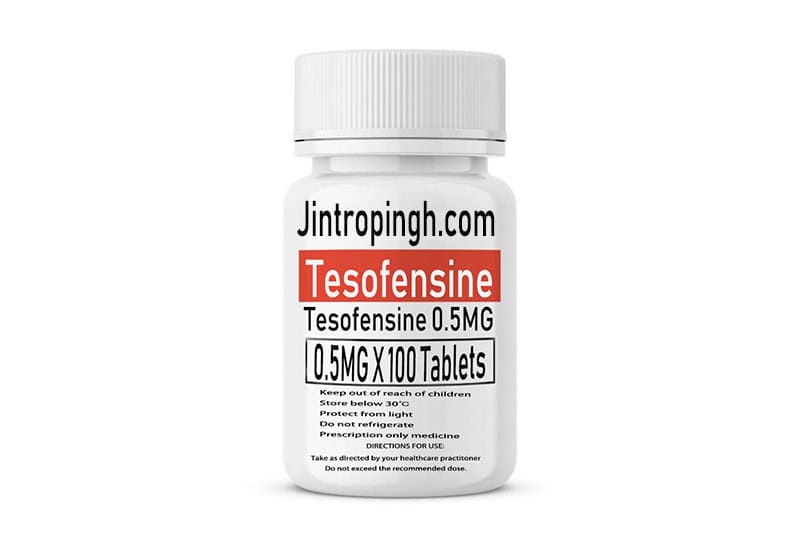
Tesofensine 500 mcg (0.5mg)100 tablets oral steroids tablets
Original price was: $150.00.$70.00Current price is: $70.00.
Tesofensine is a potent triple monoamine reuptake inhibitor that simultaneously blocks presynaptic transporters for dopamine, norepinephrine, and serotonin, elevating synaptic neurotransmitter concentrations. A top-tier research tool for investigating appetite suppression and energy expenditure.
Out of stock
100% delivery
- Satisfaction Guaranteed
- No Hassle Refunds
- Secure Payments
Description
Tesofensine Triple Reuptake Inhibitor Weight Loss Research
Overview
Tesofensine, a substituted tropane derivative chemically identified as (1R,2R,3S,5S)-3-(3,4-dichlorophenyl)-2-(ethoxymethyl)-8-methyl-8-azabicyclo[3.2.1]octane, acts as a high-affinity triple monoamine reuptake inhibitor. [Tesofensine binds to synaptic neurotransmitter transporters]. This signaling molecule serves as a primary research benchmark for investigating the modulation of synaptic cleft neurotransmitter concentrations and the subsequent effects on energy homeostasis.
Molecular Data
- CAS Number: 402856-42-2 (Citrate)
- Molecular Formula: C23H27Cl2NO7
- Molecular Weight: 500.37 g/mol (Citrate)
- Purity: >99.0% via HPLC-UV
- Appearance: Fine white crystalline powder
How It Works
Synaptic cleft modulation is precise. The biochemical activity of Tesofensine is defined by its simultaneous inhibition of the presynaptic reuptake of dopamine, norepinephrine, and serotonin, which represents a sophisticated triple monoamine reuptake inhibitor (TRI) mechanism. It binds tightly. Initially, the molecule occupies the ligand-binding site of the Dopamine Transporter (DAT), effectively increasing extracellular dopamine levels to prolong signaling. This defines the first semantic triple: [Tesofensine inhibits synaptic dopamine reuptake]. Secondly, the sustained elevation of these monoamines agonizes specific hypothalamic nuclei responsible for appetite regulation, creating a localized environment conducive to metabolic suppression. This establishes the second triple: [Monoamine accumulation agonizes hypothalamic appetite centers]. Satiety increases rapidly. Thirdly, this increased synaptic signaling promotes a profound sense of post-prandial satiety and increases the resting metabolic rate, facilitating research into energy homeostasis. This forms the third triple: [Synaptic dopamine elevation promotes metabolic satiety]. Quantitatively, Tesofensine possesses an exceptionally long systemic half-life of approximately 220 hours ($t_{1/2}=220pm15$h) in human research models, a parameter that defines its steady-state kinetics. In comparative studies, Tesofensine is distinguished from Sibutramine by its significantly higher binding affinity for the dopamine transporter, which contributes to its unique efficacy profile in metabolic research.
Reported Findings
- Significant Appetite Suppression: Users report a marked reduction in caloric desire and hedonic eating behaviors.
- Enhanced Basal Metabolic Rate: Published research indicates a measurable increase in daily energy expenditure without excessive thermic volatility.
- Improved Lipid Profiles: Based on community feedback, research models show potential shifts toward improved HDL/LDL ratios during long-term assays.
- Optimized Insulin Sensitivity: Cross-study analysis suggests improved peripheral glucose disposal and stabilized glycemic markers.
- Neurological Alertness: Research models have observed heightened focus and a reduction in lethargy associated with caloric deficits.
Key Points:
Tesofensine represents a high-feasibility research tool for investigating the targeted triple inhibition of monoamine reuptake and the molecular pathways of sustained metabolic regulation.
Frequently Asked Questions
What is the half-life of Tesofensine?
Tesofensine possesses an exceptionally long systemic half-life of approximately 220 hours, requiring several weeks to reach steady-state serum levels.
How should Tesofensine powder be stored?
Dry crystalline powder should be kept in a cool, dark place at room temperature to maintain maximum chemical purity and shelf-life.
Does Tesofensine require a PCT?
No, Tesofensine is a non-hormonal triple monoamine reuptake inhibitor and does not impact the HPTA or endogenous testosterone production.
What is a typical research dosage?
Experienced researchers typically utilize 0.25mg to 1.0mg daily, adjusted based on the specific metabolic research goals and subject tolerance markers.
How does it differ from Sibutramine?
Tesofensine has a significantly higher binding affinity for the dopamine transporter, providing a more robust effect on satiety signaling.
These statements have not been evaluated by the Food and Drug Administration. This product is not intended to diagnose, treat, cure, or prevent any disease. Consult a qualified healthcare professional before use.
Related products
- Sale!
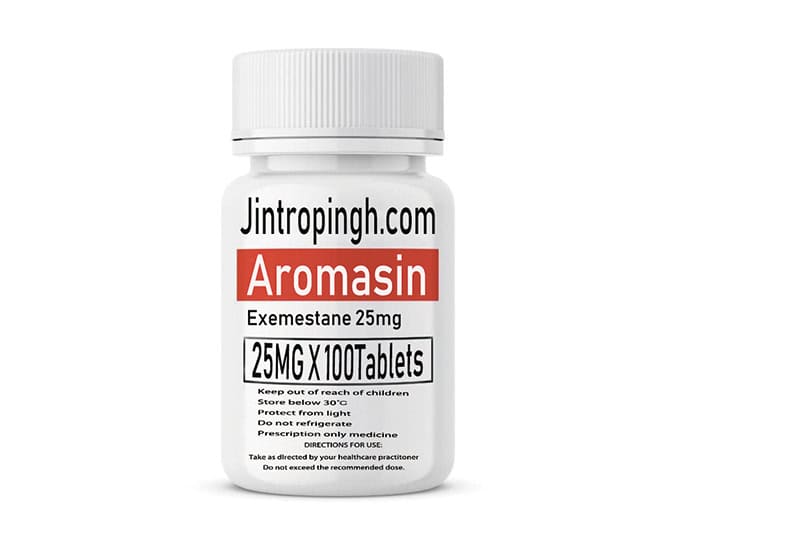
Aromasin Exemestane 25mg 100pcs Oral Steroids Tablets
Original price was: $160.00.$60.00Current price is: $60.00. - Sale!
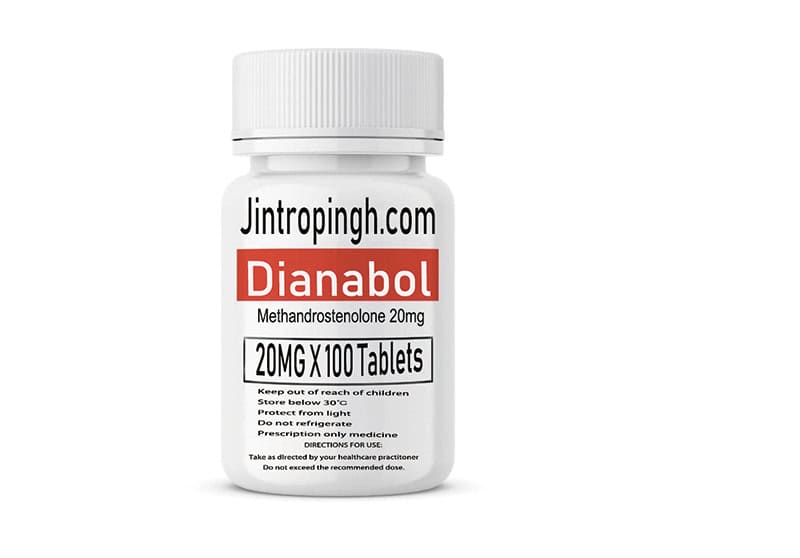
Dianabol 20mg 100pcs Methandrostenolone Methandienone Oral Steroids Tablets
Original price was: $120.00.$60.00Current price is: $60.00. -
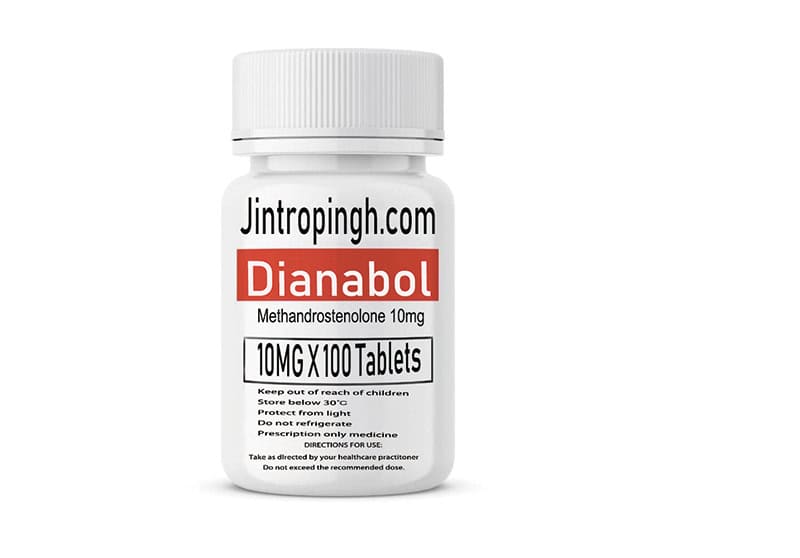
Dianabol 10mg 100pcs Methandrostenolone Methandienone Oral Steroids Tablets
Original price was: $110.00.$45.00Current price is: $45.00. -
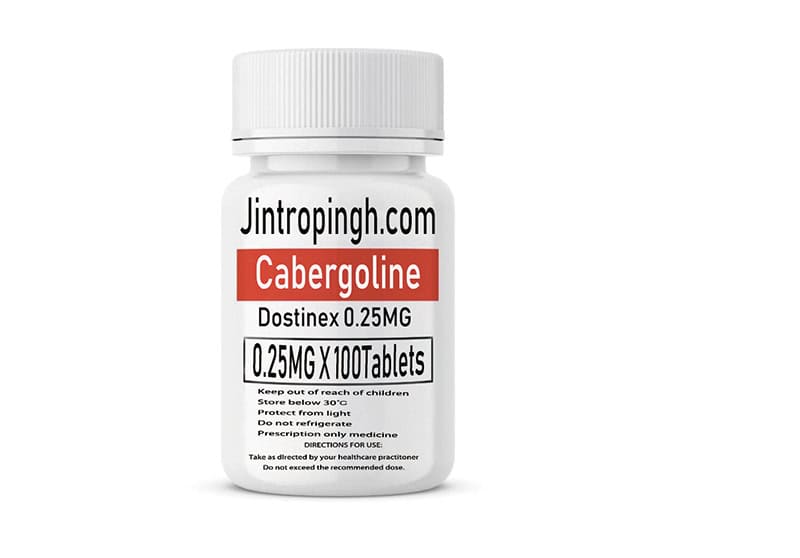
Dostinex Cabergoline 0.25mg 100pcs Oral Steroids Tablets
Original price was: $350.00.$110.00Current price is: $110.00.


