
Showing 97–112 of 414 resultsSorted by popularity
- Sale!
- Sale!
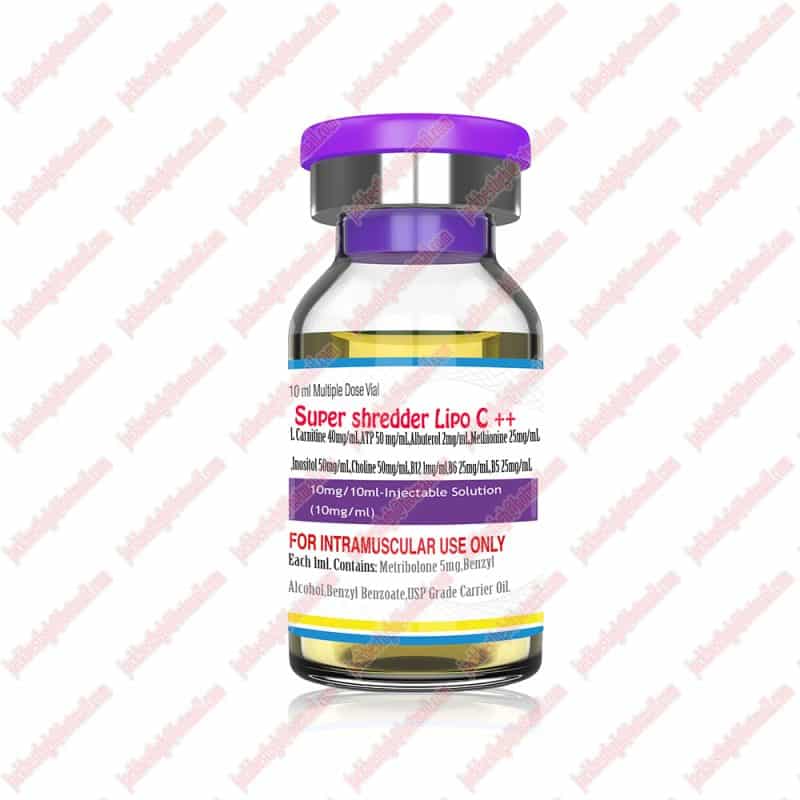
Super shredder 10ml 10vials 1kit -Min order 10kits
Original price was: $3,850.00.$2,800.00Current price is: $2,800.00.Min order >10 kits price low to $280/kit
Super shredder Blend Injectable 553mg/ml/vial 10ml*10vials*1kits - Sale!
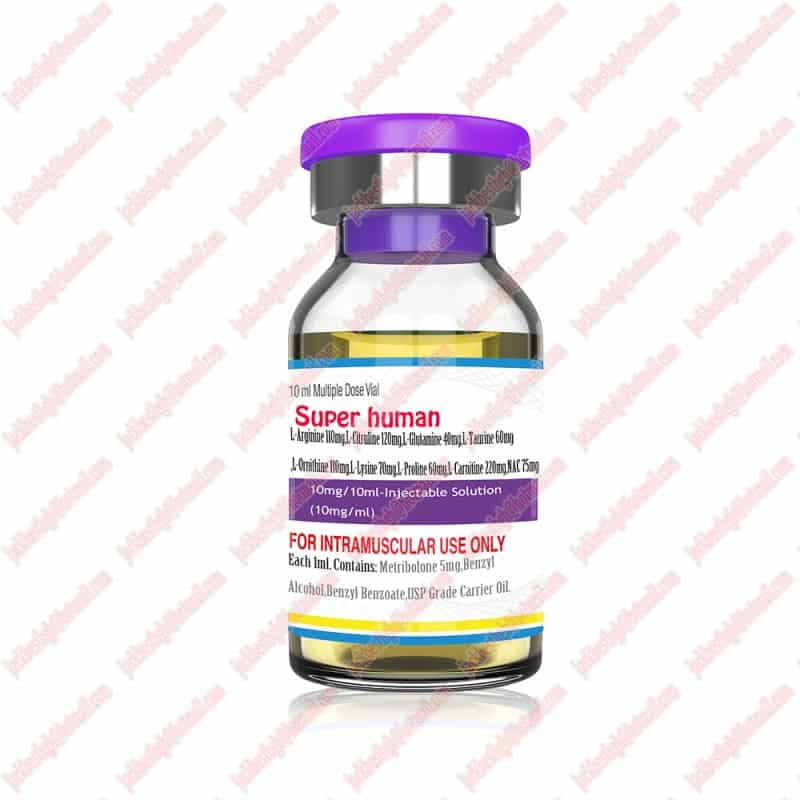
Super human 10ml 10vials 1kit -Min order 10kits
Original price was: $3,850.00.$2,800.00Current price is: $2,800.00.Min order >10 kits price low to $280/kit
Super human Blend Injectable 865mg/ml/vial 10ml*10vials*1kit - Sale!
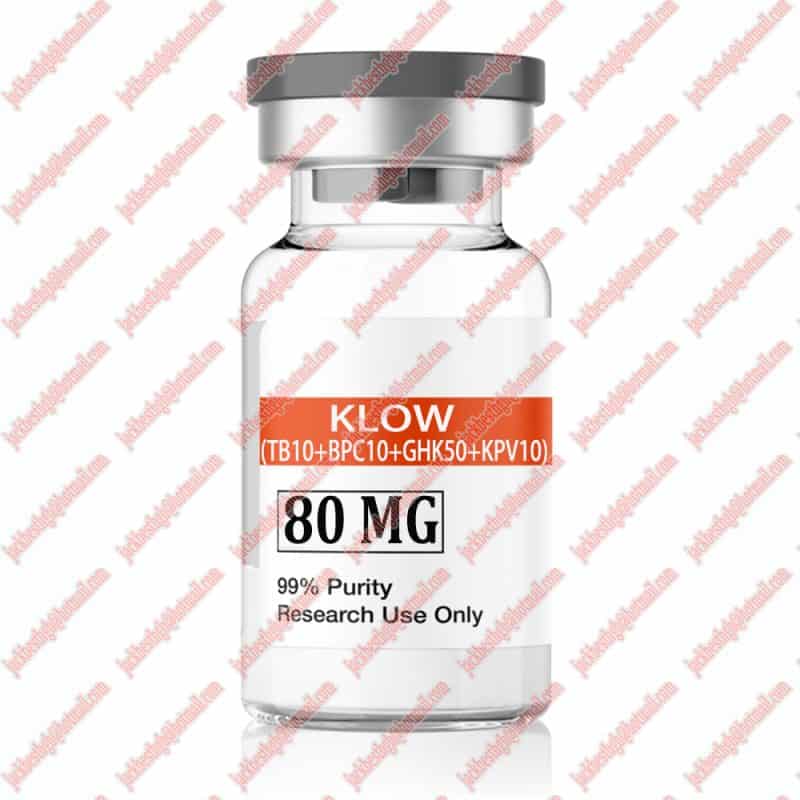
KLOW 80mg 10vials 1kit – Min order 10kits
Original price was: $3,850.00.$2,800.00Current price is: $2,800.00.Min order >10 kits price low to $280/kit
KLOW (TB10+BPC10+GHK50+KPV10) 80mg 10vials - Sale!
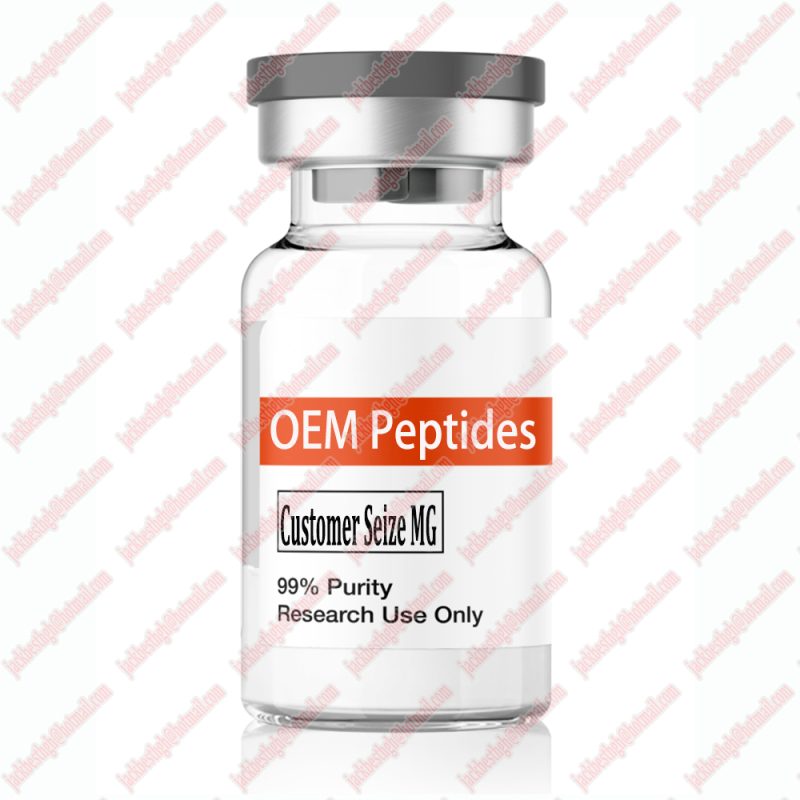
Glow 70mg 10vials 1kit – Min order 10kits
Original price was: $3,850.00.$2,800.00Current price is: $2,800.00.Min order >10 kits price low to $280/kit
Glow(GHKCu50mg+TB10mg+BPC10mg) 70mg*10vials*1 kits - Sale!
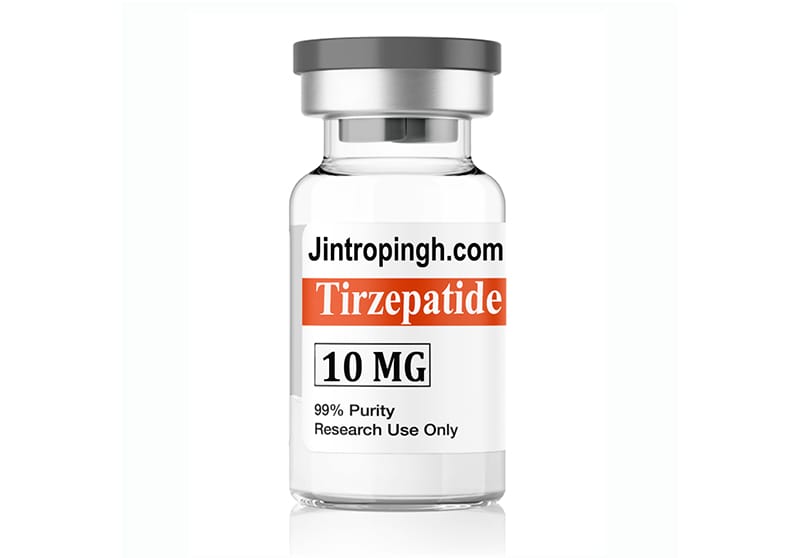
Tirzepatide 60mg 10vials 1kit – Min order 20kits
Original price was: $5,600.00.$4,000.00Current price is: $4,000.00.Min order >20 kits price low to $190/kit
- Sale!
Tirzepatide 30mg 10vials 1kit – Min order 20kits
Original price was: $4,000.00.$2,700.00Current price is: $2,700.00.Min order >20 kits price low to $130/kit
- Sale!
Tirzepatide 20mg 10vials 1kit – Min order 20kits
Original price was: $3,000.00.$2,200.00Current price is: $2,200.00.Min order >20 kits price low to $110/kit
- Sale!
Tirzepatide 10mg 10vials 1kit – Min order 20kits
Original price was: $2,200.00.$1,800.00Current price is: $1,800.00.Min order >20 kits price low to $90/kit
- Sale!
Semaglutide 30mg 10vials 1kit – Min order 20kits
Original price was: $3,600.00.$2,700.00Current price is: $2,700.00.Min order >20 kits price low to $135/kit
- Sale!
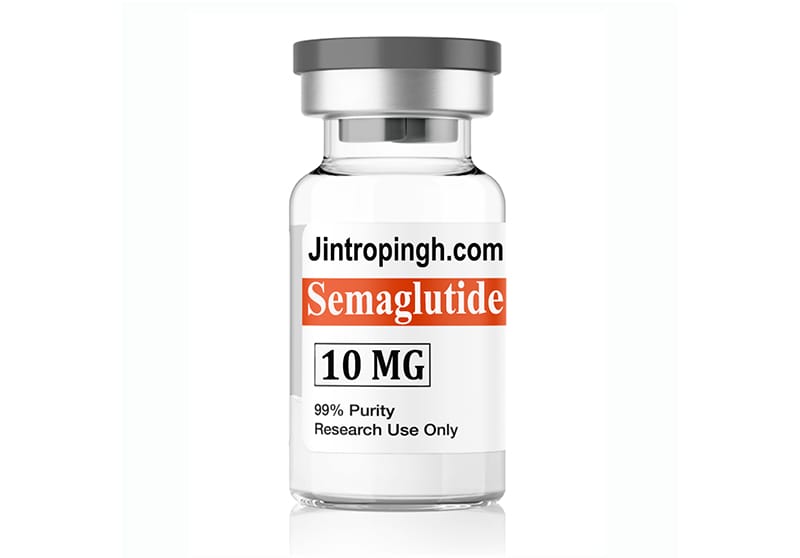
Semaglutide 10mg 10vials 1kit – Min order 20kits
Original price was: $2,000.00.$1,400.00Current price is: $1,400.00.Min order >20 kits price low to $70/kit
- Sale!
Retatrutide 60mg 10vials 1kit – Min order 20kits
Original price was: $10,000.00.$7,000.00Current price is: $7,000.00.Min order >20 kits price low to $350/kit
- Sale!
Retatrutide 40mg 10vials 1kit – Min order 20kits
Original price was: $6,600.00.$5,200.00Current price is: $5,200.00.Min order >20 kits price low to $260/kit
- Sale!
Retatrutide 30mg 10vials 1kit – Min order 20kits
Original price was: $5,600.00.$3,700.00Current price is: $3,700.00.Min order >20 kits price low to $185/kit
- Sale!
Retatrutide 20mg 10vials 1kit – Min order 20kits
Original price was: $4,400.00.$2,700.00Current price is: $2,700.00.Min order >20 kits price low to $135/kit
- Sale!
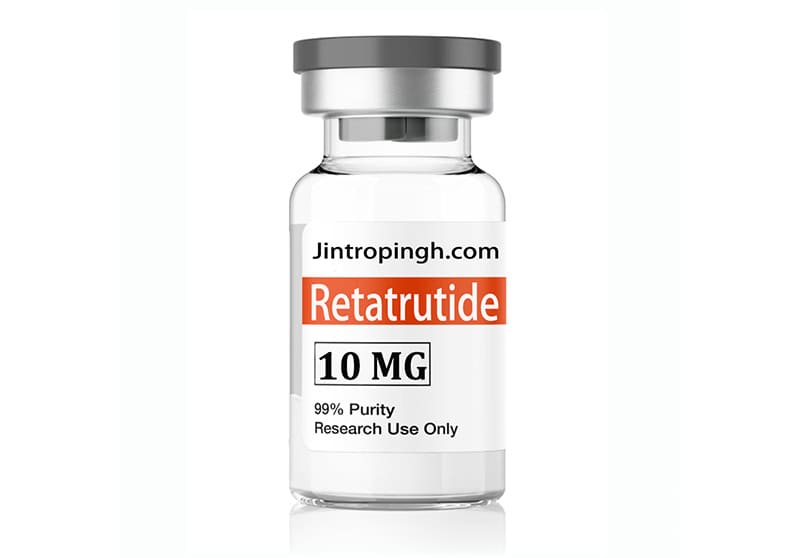
Retatrutide 10mg 10vials 1kit – Min order 20kits
Original price was: $2,600.00.$1,900.00Current price is: $1,900.00.Min order >20 kits price low to $95/kit


End of content
End of content