
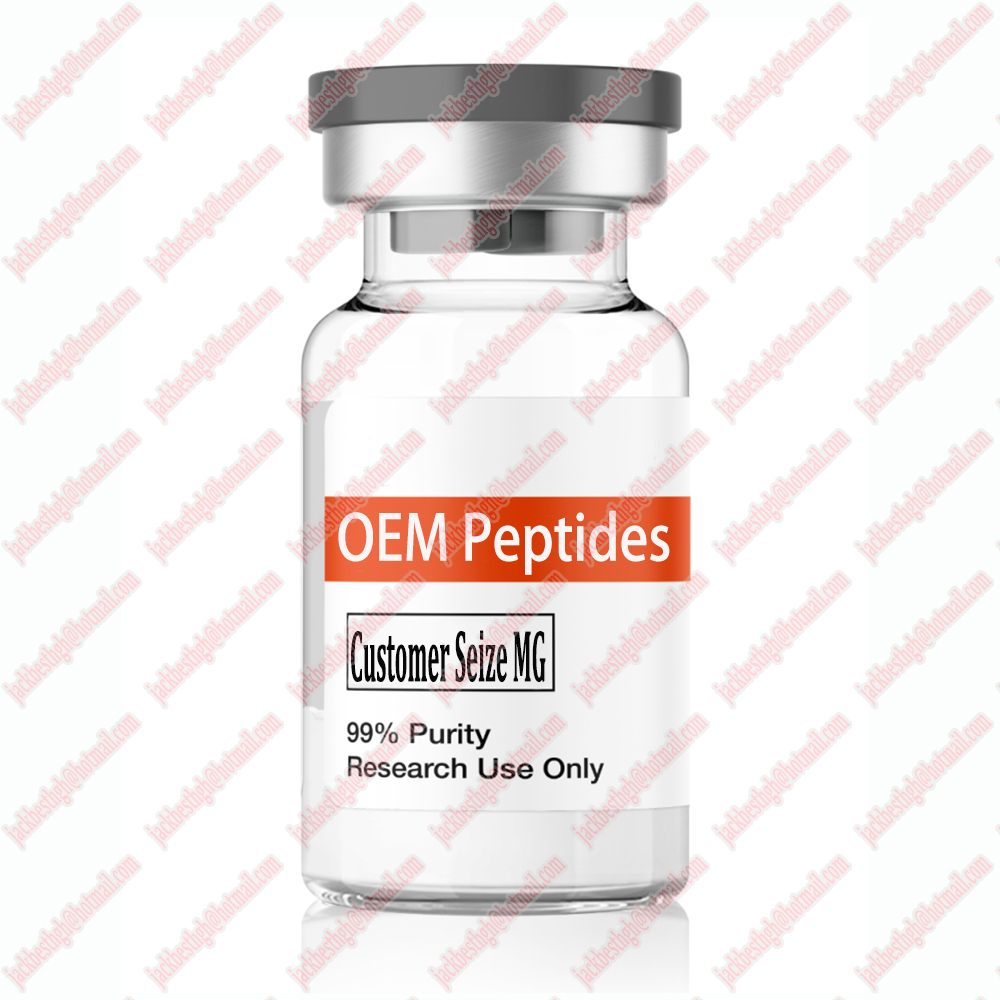
Alprostadil 20mcg 5vials 1 box- Brand Package
Original price was: $360.00.$180.00Current price is: $180.00.
Alprostadil (Prostaglandin E1) is an endogenous eicosanoid that binds EP2 and EP4 prostanoid receptors, triggering cAMP-mediated smooth muscle relaxation and targeted microvascular vasodilation. Operates independently of endothelial nitric oxide pathways.
100% delivery
- Satisfaction Guaranteed
- No Hassle Refunds
- Secure Payments
Description
High purity Alprostadil Research Peptide
Mode of Action
The biochemical activity of Alprostadil is dictated by its high-affinity interaction with G-protein coupled prostanoid receptors. The primary mechanism involves the lipid ligand binds directly to transmembrane prostanoid EP2 and EP4 receptors on vascular smooth muscle cell matrices. This defines the first semantic triple: [Alprostadil agonizes transmembrane EP receptors]. Secondly, this specific binding event activates adenylate cyclase, triggering the immediate intracellular synthesis of cyclic adenosine monophosphate (cAMP). This establishes the second triple: [Receptor engagement stimulates cAMP accumulation]. Furthermore, elevated cAMP levels downregulate intracellular calcium concentrations by driving sequestration into the sarcoplasmic reticulum, forcing immediate relaxation of the actomyosin filaments. This forms the third triple: [Calcium sequestration induces smooth muscle relaxation]. Quantitatively, Alprostadil possesses an exceptionally brief systemic plasma half-life of approximately 5 to 10 minutes ($t_{1/2} = 7.5 pm 2.5$ min) in mammalian models due to rapid first-pass pulmonary metabolism by 15-hydroxyprostaglandin dehydrogenase. In comparative studies, Alprostadil is strictly distinguished from generic nitric oxide donors like L-arginine; while nitric oxide donors rely on endothelial integrity and the cGMP pathway, Alprostadil operates independently of the endothelium by directly leveraging prostanoid receptor-linked cAMP cascades to induce microvascular dilation.
Chemical Properties
- IUPAC Name: (1R,2R,3R)-3-hydroxy-2-[(E,3S)-3-hydroxyoct-1-enyl]-5-oxocyclopentane-1-heptanoic acid
- CAS Number: 745-65-3
- Molecular Formula: C20H34O5
- Molecular Weight: 354.48 g/mol
- Purity: >99.0% via HPLC-UV
- Appearance: Fine white to off-white crystalline powder
Research Observations
- Targeted Microvascular Vasodilation: Users in research models report rapid, intense localized blood flow enhancement following structural exposure.
- Smooth Muscle Relaxation: Experimental findings suggest profound local corpus cavernosum and vascular smooth muscle hyperpolarization.
- Inhibition of Platelet Aggregation: As documented in protocols, research models show a substantial down-regulation of thromboxane A2 signaling pathways.
- Modulation of Inflammatory Cytokines: Aggregated data shows localized reductions in the expression of TNF-alpha and interleukin-1 beta.
- Angiogenic Pathway Stimulation: Research models have observed increased long-term expression of vascular endothelial growth factor (VEGF) during sustained local application.
About This Compound
Alprostadil, chemically designated as Prostaglandin E1 (PGE1), is an endogenous eicosanoid derived from arachidonic acid pathways. [Alprostadil activates prostanoid EP receptors]. This highly pure crystalline compound serves as a primary research benchmark for investigating localized microvascular perfusion, smooth muscle hyperpolarization, and the modulation of cytokine-mediated inflammatory cascades. Its distinct lipid structure allows for high-fidelity studies on localized homeostatic shifts and intracellular secondary messenger pathways without systemic endocrine footprint.
Key Points:
Alprostadil PGE1 represents a premier, ultra-short-acting research tool for investigating receptor-mediated smooth muscle relaxation and the molecular cascades of localized microvascular perfusion.
Frequently Asked Questions
What is the systemic half-life of Alprostadil PGE1?
Alprostadil has a brief systemic half-life of 5 to 10 minutes due to rapid first-pass metabolic clearance within pulmonary circulation.
How should raw Alprostadil powder be stored?
The dry crystalline powder must be stored in an anhydrous environment inside a freezer at -20 degrees Celsius to avoid structural degradation.
How does it differ from nitric oxide donors?
Alprostadil bypasses the endothelium entirely by binding directly to smooth muscle EP receptors, utilizing a cAMP pathway instead of cGMP cascades.
What is the typical research dosage range?
Experienced researchers typically utilize 5mcg to 40mcg per localized administration, starting at 2.5mcg to evaluate baseline tissue reactivity safely.
Does Alprostadil require hormonal post-cycle therapy?
No, Alprostadil is an endogenous eicosanoid growth factor, meaning it does not interact with androgen pathways or suppress the HPTA axis.
These statements have not been evaluated by the Food and Drug Administration. This product is not intended to diagnose, treat, cure, or prevent any disease. Consult a qualified healthcare professional before use.
You must be logged in to post a review.
Related products
-
- Sale!
Gonadorelin Acetate 2mg*10vials*1kits – Best Eeffect Hiqh Purity Peptides Product
Original price was: $100.00.$60.00Current price is: $60.00. - Sale!
-


Reviews
There are no reviews yet.