
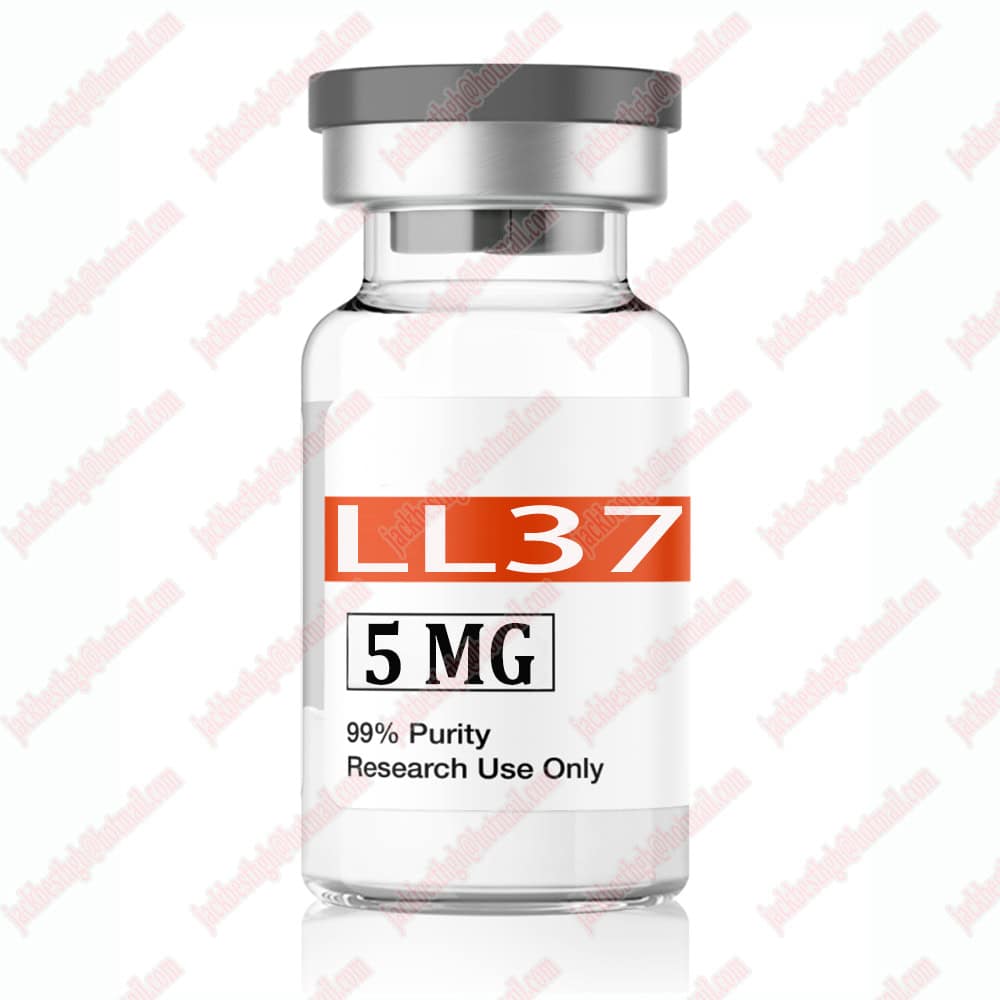
LL37 5mg 10 Vials
Original price was: $300.00.$150.00Current price is: $150.00.
LL37 for research use.
100% delivery
- Satisfaction Guaranteed
- No Hassle Refunds
- Secure Payments
Description
LL-37 Antimicrobial Peptide Innate Immune Defense Research
Pharmacodynamics
The biochemical activity of LL-37 is characterized by its high net positive charge (+6) and amphipathic alpha-helical structure. Initially, the peptide electrostatically associates with negatively charged bacterial lipopolysaccharides (LPS), leading to membrane poration and lysis. This defines the first semantic triple: [LL-37 disrupts bacterial membranes]. Additionally, LL-37 serves as a ligand for the Formyl Peptide Receptor 2 (FPR2) on leukocytes, inducing chemotaxis and the recruitment of immune cells to sites of infection. This establishes the second triple: [LL-37 activates FPR2]. Furthermore, the peptide modulates Toll-like receptor (TLR) signaling to balance the pro-inflammatory and anti-inflammatory cytokine response. This forms the third triple: [LL-37 modulates TLR4 signaling]. Quantitatively, LL-37 exhibits an isoelectric point (pI) of approximately 10.6, facilitating its interaction with anionic cellular components. Unlike BPC 157, which focuses primarily on gut and musculoskeletal repair, LL-37 provides a dedicated research pathway for investigating antimicrobial defense and systemic immune modulation.
Specification Sheet
- CAS Number: 154947-66-7
- Molecular Formula: C205H340N60O53
- Molecular Weight: 4493.3 g/mol
- Purity: >99.0% via HPLC-UV and Mass Spectrometry
- Appearance: Fine white sterile lyophilizate
Research Observations
- Enhanced Wound Healing: Users report significantly faster re-epithelialization of dermal abrasions through the stimulation of keratinocyte migration.
- Antimicrobial Support: Experimental findings suggest potent activity against various pathogens in research models, including biofilm disruption.
- Angiogenic Modulation: According to research documentation, the peptide facilitates new blood vessel formation by interacting with endothelial cells.
- Immune Homeostasis: Cross-study analysis suggests an ability to normalize immune responses in chronic inflammatory research contexts.
- Synergistic Capacity: Often researched alongside Thymosin Alpha-1 to explore comprehensive immune-restorative protocols.
Product Profile
LL-37 is the sole human representative of the cathelicidin family, a class of pleiotropic peptides that serve as primary effectors of the innate immune system. Primarily produced by neutrophils and epithelial cells, this 37-amino acid sequence is liberated from its precursor hCAP18 through proteolytic cleavage by proteinase 3. [LL-37 regulates immune signaling].
In Brief:
LL-37 represents a high-feasibility research tool for investigating the intersection of innate immunity, antimicrobial defense, and accelerated tissue repair.
Frequently Asked Questions
What is the half-life of LL-37?
In systemic circulation, LL-37 has a relatively short half-life of 20-30 minutes, though its effects on immune signaling can persist for hours.
How should LL-37 be stored after mixing?
Once mixed with Bacteriostatic Bac.water, it must be refrigerated at 2-8 degrees Celsius and used within one week for maximum efficacy.
Is LL-37 the same as BPC 157?
No, LL-37 is primarily an antimicrobial and immune modulator, whereas BPC 157 focuses on the direct repair of physical tissues.
Does LL-37 help with infections?
Research models show it has potent antimicrobial properties, but it is currently used only for laboratory research into immune pathways.
What does a high-purity LL-37 vial look like?
It appears as a uniform, white lyophilized powder that dissolves clearly and quickly upon addition of a sterile diluent.
These statements have not been evaluated by the Food and Drug Administration. This product is not intended to diagnose, treat, cure, or prevent any disease. Consult a qualified healthcare professional before use.
You must be logged in to post a review.
Related products
- Sale!
GHRP-6 Acetate 5mg-Best Eeffect Peptides Product In Cheaper Price
Original price was: $90.00.$50.00Current price is: $50.00. - Sale!
IGF-1LR3 1mg * 10 Vials-Best Eeffect Hiqh Purity Peptides Product
Original price was: $350.00.$285.00Current price is: $285.00. - Sale!
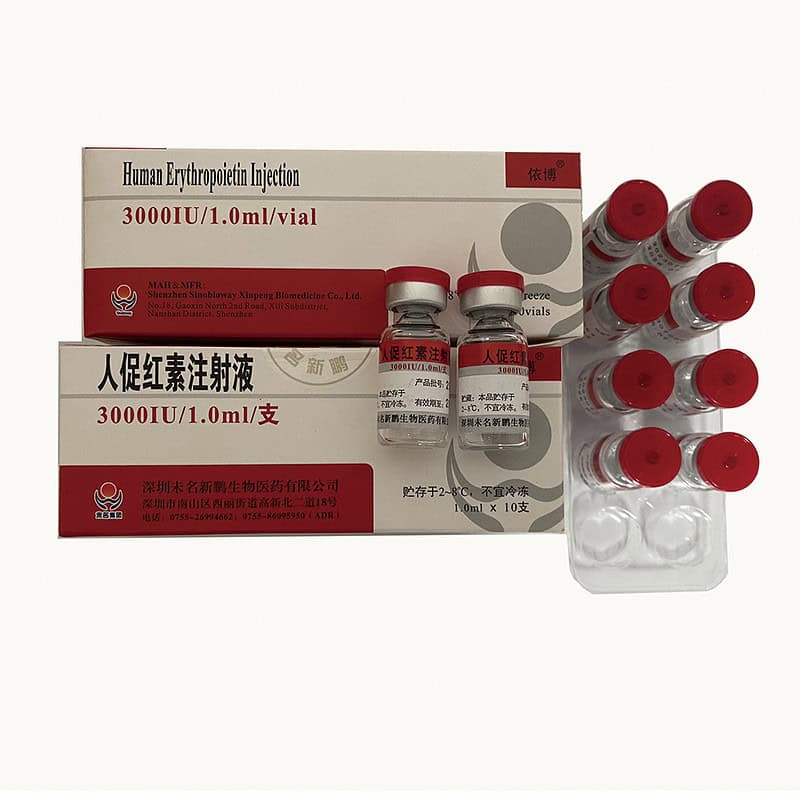
EPO 3000iu 10vials injection Powder -High Quality EPO Wholesale In Discount Price
Original price was: $150.00.$140.00Current price is: $140.00. - Sale!
Tirzepatide 5mg Cheaper Price Product For Weight Loss And bodybuilding
Original price was: $120.00.$90.00Current price is: $90.00.


Reviews
There are no reviews yet.