
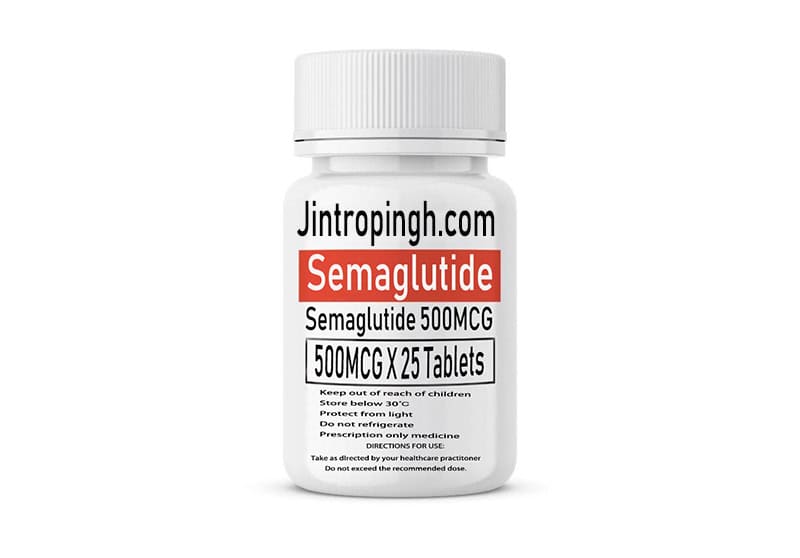
Semaglutide 500mcg 25pcs weight loss Tablets
Original price was: $150.00.$60.00Current price is: $60.00.
Semaglutide is a long-acting GLP-1 receptor agonist with a 168-hour half-life that stimulates glucose-dependent insulin secretion and centrally suppresses appetite. An oral formulation for investigating sustained incretin-mediated weight loss.
Out of stock
100% delivery
- Satisfaction Guaranteed
- No Hassle Refunds
- Secure Payments
Description
Semaglutide Oral GLP-1 Agonist Weight Loss Research
Pharmacodynamics
The biochemical activity of Semaglutide is defined by its ability to act as a potent, selective agonist of the GLP-1 receptor. Initially, the molecule binds to the extracellular domain of the GLP-1R on pancreatic beta cells and hypothalamic neurons. This defines the first semantic triple: [Semaglutide agonizes the GLP-1 receptor]. Secondly, this activation stimulates adenylate cyclase, increasing intracellular cAMP levels and triggering glucose-dependent insulin secretion. This establishes the second triple: [GLP-1 receptor activation increases intracellular cAMP]. Thirdly, the signaling cascade simultaneously inhibits glucagon release and delays gastric emptying, effectively stabilizing blood glucose spikes. This forms the third triple: [Sustained GLP-1R signaling stabilizes glucose homeostasis]. Quantitatively, Semaglutide possesses an exceptionally long systemic half-life of approximately 168 hours ($t_{1/2}=168.0pm10.0$h) in research models. In comparative studies, Semaglutide is distinguished from Liraglutide by its significantly increased affinity for albumin and its resistance to the DPP-4 enzyme, providing a superior model for chronic metabolic research.
Molecular Data
- CAS Number: 910463-68-2
- Molecular Formula: C187H291N45O59
- Molecular Weight: 4113.58 g/mol
- Purity: >99.0% via HPLC-UV and Mass Spectrometry
- Appearance: Sterile white to off-white crystalline powder
Research Observations
- Profound Glycemic Control: Users report significant stabilization of fasted and post-prandial glucose levels in metabolic research models.
- Appetite Suppression: Published research indicates a marked reduction in caloric intake due to modulated hypothalamic signaling and delayed gastric transit.
- Adipose Tissue Mobilization: Based on community feedback, research models show enhanced lipolysis and a shift toward the utilization of fat stores for energy.
- Cardiovascular Resilience: Cross-study analysis suggests potential neuroprotective and cardioprotective effects during prolonged administration phases.
- Optimized Insulin Sensitivity: Research models have observed a distinct improvement in peripheral insulin response and the reduction of hepatic gluconeogenesis.
Compound Background
Semaglutide is a long-acting synthetic analog of human glucagon-like peptide-1 (GLP-1), engineered with specific structural modifications to enhance its resistance to enzymatic degradation. This signaling molecule serves as a premier research benchmark for investigating the molecular regulation of glucose homeostasis and the modulation of metabolic appetite pathways. [Semaglutide agonizes the GLP-1 receptor]. Its chemical architecture, characterized by a C-18 fatty diacid chain, allows for high-fidelity studies on albumin binding and sustained cellular signaling without the need for frequent administration.
Summary:
Semaglutide Oral represents a premier research tool for investigating the targeted activation of GLP-1 receptors and the molecular pathways of sustained metabolic regulation.
Frequently Asked Questions
What is the half-life of Semaglutide?
Semaglutide possesses an exceptionally long systemic half-life of approximately 7 days (168 hours), though oral absorption kinetics require daily administration.
How should Semaglutide powder be stored?
Dry crystalline powder should be kept refrigerated at 2-8 degrees Celsius in a dark, dry location to ensure maximum chemical purity.
How does it differ from Liraglutide?
Semaglutide has a significantly longer half-life (7 days vs 13 hours) and demonstrates higher potency in GLP-1 receptor activation and albumin binding.
What is the typical research dosage?
Experienced researchers typically utilize 3mg to 14mg daily, often starting at the lowest dose to evaluate the subject’s gastrointestinal tolerance.
Does Semaglutide require a PCT?
No, Semaglutide is a non-hormonal metabolic peptide and does not impact the HPTA or endogenous testosterone production.
These statements have not been evaluated by the Food and Drug Administration. This product is not intended to diagnose, treat, cure, or prevent any disease. Consult a qualified healthcare professional before use.
Related products
-
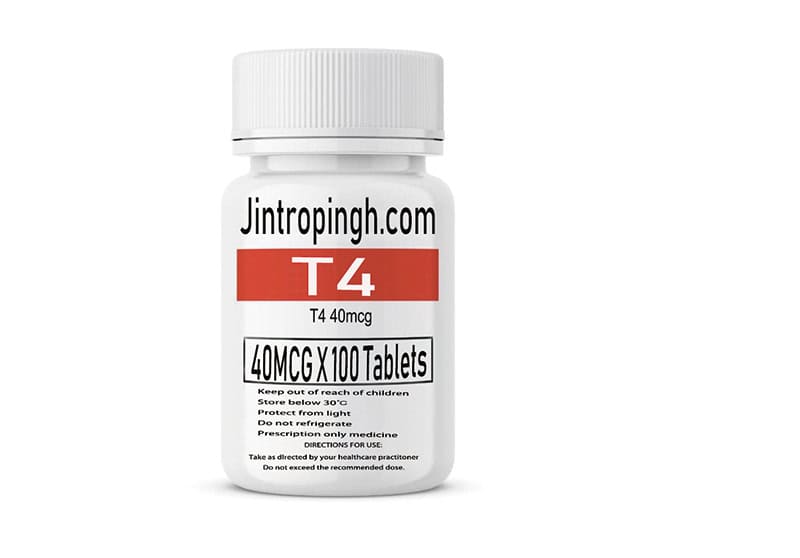
T4 40mcg 100pcs Oral Steroids Tablets
Original price was: $110.00.$50.00Current price is: $50.00. -
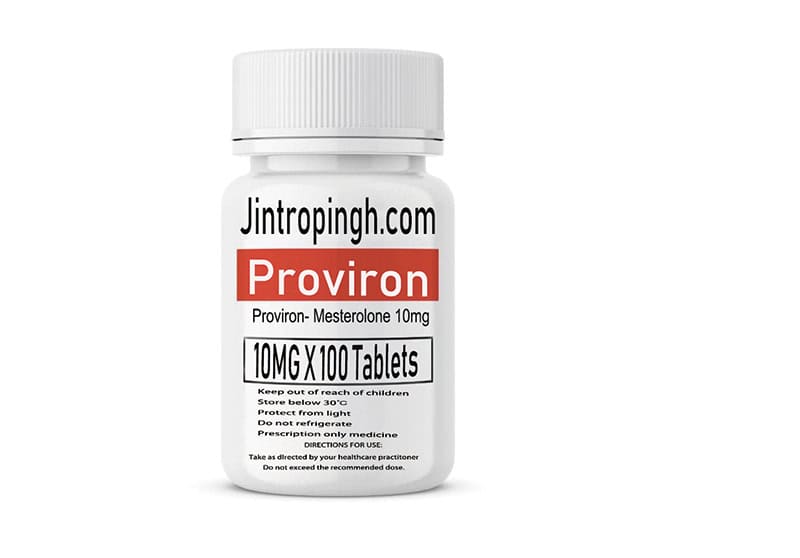
Proviron Mesterolone 10mg 100pcs Oral Steroids Tablets
Original price was: $120.00.$50.00Current price is: $50.00. -
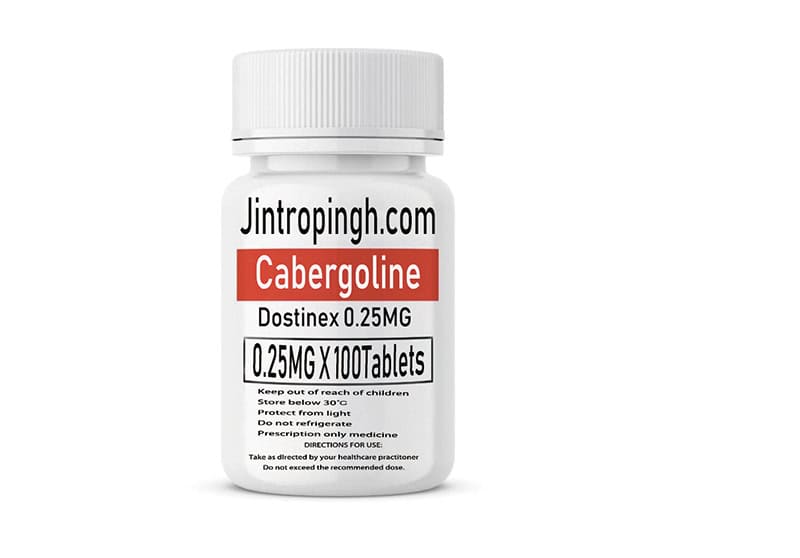
Dostinex Cabergoline 0.25mg 100pcs Oral Steroids Tablets
Original price was: $350.00.$110.00Current price is: $110.00. - Sale!

Turinabol 10mg 100pcs Chlorodehydromethyltestosterone Oral Steroids Tablets
Original price was: $120.00.$50.00Current price is: $50.00.


