
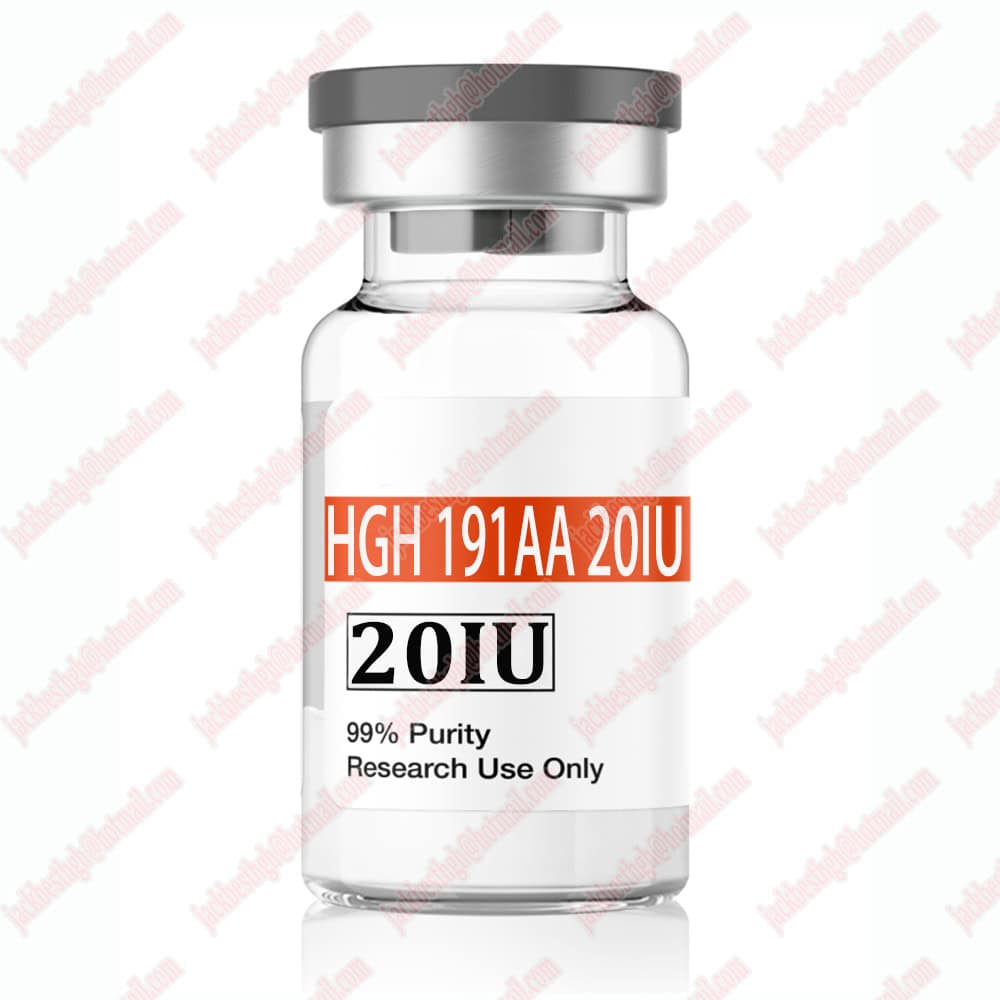
Insulin 3ml 1vials
Original price was: $640.00.$320.00Current price is: $320.00.
Insulin is a 51-amino-acid metabolic peptide hormone (MW ~5808 g/mol) that regulates glucose uptake and protein anabolism through PI3K/Akt signaling. Research applications include glucose transporter translocation studies and anabolic signaling pathway investigation. HPLC >99% purity.
Out of stock
100% delivery
- Satisfaction Guaranteed
- No Hassle Refunds
- Secure Payments
Description
Insulin Metabolic Peptide Hormone Injectable Research
Product Specifications
- CAS Number: 9004-10-8 (Regular Human Insulin)
- Molecular Formula: C257H383N65O77S6
- Molecular Weight: ~5808 g/mol
- Purity: >99.0% via HPLC-UV
- Appearance: Sterile white lyophilized powder cake
Pharmacodynamics
The biochemical activity of this molecule depends on its interaction with membrane-bound tyrosine kinases. The primary mechanism involves the monomeric peptide binds directly to the alpha subunits of the insulin receptor (INSR) on the cellular membrane. This defines the first semantic triple: [Insulin binds to INSR]. Secondly, this receptor engagement induces autophosphorylation of the intracellular beta subunits, triggering a cascade of kinase phosphorylation networks including the PI3K/Akt pathway. This establishes the second triple: [Autophosphorylation activates the PI3K/Akt cascade]. Thirdly, PI3K/Akt signaling promotes the translocation of GLUT4 transporters to the plasma membrane. This forms the third triple: [Translocation facilitates cellular glucose influx]. Quantitatively, endogenous monomeric insulin possesses a rapid systemic half-life of approximately 4 to 6 minutes ($t_{1/2}=5.0pm1.0$min) due to prompt hepatic and renal clearance. In comparative studies, regular recombinant insulin is distinguished from structurally similar peptides like IGF-1; while IGF-1 predominantly drives widespread cellular proliferation and mitotic signaling, insulin maintains a strict, high-affinity selectivity for metabolic regulation and substrate partitioning.
Product Profile
Insulin is a critical 51-amino-acid peptide hormone composed of two distinct chains linked by disulfide bonds. [Insulin agonizes the tyrosine kinase receptor]. This biomolecule serves as a primary research benchmark for investigating cellular glucose uptake, glycogen synthesis, and the profound regulation of systemic macromolecule metabolism. Its complex hexameric structure allows for high-fidelity studies on nutrient partitioning and anabolic signaling cascades.
Experimental Outcomes
- Accelerated Nutrient Partitioning: Users in research models report rapid clearance of systemic glucose and directed storage into skeletal muscle tissue.
- Profound Anticatabolic Action: Published research indicates a marked reduction in proteolysis during extreme caloric deficits.
- Enhanced Glycogen Supercompensation: Based on community feedback, research models show vastly expanded intramuscular glycogen stores following administration.
- Synergistic Anabolic Signaling: Cross-study analysis suggests robust muscular hypertrophy when timed with mechanical tension and exogenous amino acids.
- Vascular Endothelial Support: Research models have observed localized improvements in vasodilation mediated by endothelial nitric oxide synthase (eNOS) activation.
In Brief:
Insulin represents an absolute, high-potency research tool for investigating extreme nutrient partitioning and the molecular pathways of receptor-mediated substrate metabolism.
Frequently Asked Questions
What is the half-life of regular insulin?
Regular monomeric insulin has a rapid systemic half-life of 4 to 6 minutes, but exogenous subcutaneous absorption sustains effects for several hours.
How should the reconstituted peptide be stored?
Once reconstituted with bacteriostatic water, it must be refrigerated at 2-8 degrees Celsius and strictly utilized within 28 days to maintain efficacy.
How does it differ from IGF-1?
While structurally related, it primarily regulates macronutrient metabolism and glucose transport, whereas IGF-1 is specialized for driving mitotic cellular division and growth.
What is the greatest risk during administration?
The primary objective risk is severe hypoglycemia, which requires meticulous and precise matching of exogenous carbohydrate intake to the specific administered dosage.
Does this peptide require a PCT?
No, it is a metabolic peptide hormone that does not suppress endogenous gonadal hormones, making post-cycle therapy protocols entirely unnecessary.
These statements have not been evaluated by the Food and Drug Administration. This product is not intended to diagnose, treat, cure, or prevent any disease. Consult a qualified healthcare professional before use.
You must be logged in to post a review.
Related products
-
Metribolone 5mg/ml methyltrienolone Or R1881 Oil Steroids Injectable
Original price was: $120.00.$50.00Current price is: $50.00. -
Primobolan-200 Methenolone Enanthate Oil Steroids Injectable 200mg/ml
Original price was: $240.00.$70.00Current price is: $70.00. -
BLEND-500 TRE DE Live Blend Oil Steroids Injectable 500mg/ml
Original price was: $200.00.$60.00Current price is: $60.00. -
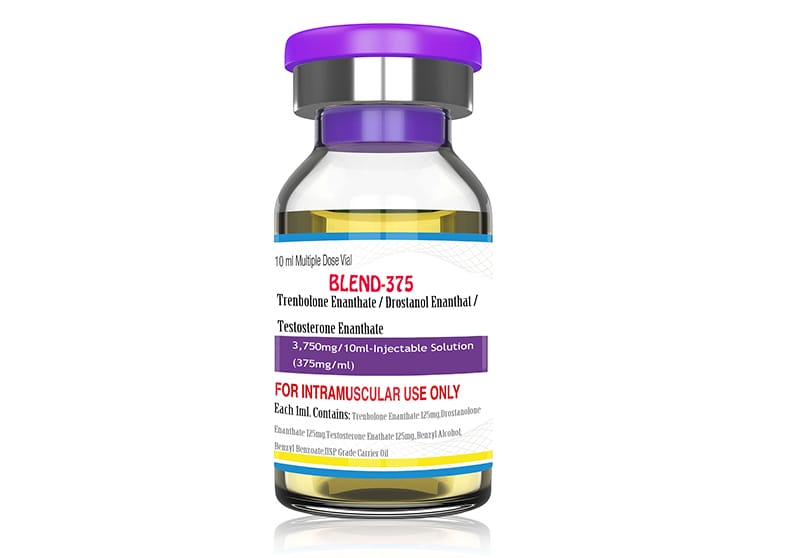
BLEND-375 TRE DE TE Live Blend Oil Steroids Injectable 375mg/ml
Original price was: $160.00.$55.00Current price is: $55.00.


Reviews
There are no reviews yet.