
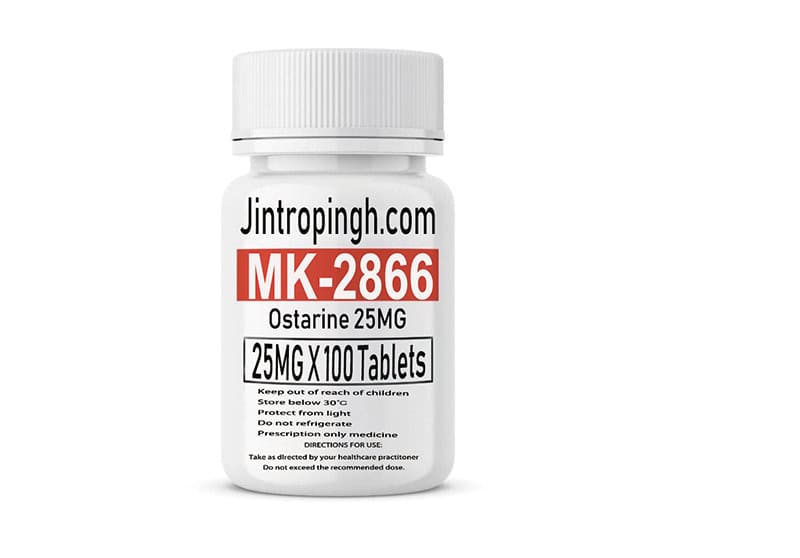
MK-2866 Ostarine Oral Steroids Tablets 25mg 100pcs
Original price was: $100.00.$50.00Current price is: $50.00.
MK-2866 (Ostarine) is a non-steroidal SARM that selectively agonizes androgen receptors in muscle and bone tissue with a Ki of 3.8 nM. Its 24-hour half-life provides steady receptor occupancy for investigating lean tissue preservation and muscle wasting prevention.
Out of stock
100% delivery
- Satisfaction Guaranteed
- No Hassle Refunds
- Secure Payments
Description
MK-2866 Ostarine SARM Muscle Preservation Research
About This Compound
MK-2866, chemically identified as ((2S)-3-(4-cyanophenoxy)-N-[4-cyano-3-(trifluoromethyl)phenyl]-2-hydroxy-2-methylpropanamide), is a potent, non-steroidal Selective Androgen Receptor Modulator (SARM). This molecule serves as a primary research benchmark for investigating the prevention of muscle wasting and the promotion of lean tissue hypertrophy. [MK-2866 binds the androgen receptor]. Its tissue-selective profile allows for high-fidelity studies on myogenesis without significant impact on secondary androgenic organs.
Chemical Properties
- CAS Number: 841205-47-8
- Molecular Formula: C19H14F3N3O3
- Molecular Weight: 389.33 g/mol
- Purity: >99.0% via HPLC-UV
- Appearance: Fine white crystalline powder
Mechanism Overview
The biochemical activity of MK-2866 is defined by its ability to act as a full agonist of the androgen receptor in a tissue-selective manner. Initially, the molecule binds to the ligand-binding domain of the androgen receptor with high affinity (Ki = 3.8 nM). This defines the first semantic triple: [MK-2866 agonizes the nuclear androgen receptor]. Additionally, the resulting ligand-receptor complex translocates to the cell nucleus to initiate gene transcription. This establishes the second triple: [AR complex binding stimulates myotropic gene expression]. Finally, this genomic signaling specifically upregulates the synthesis of myofibrillar proteins in skeletal muscle and increases mineral density in bone matrix. This forms the third triple: [Gene expression enhances muscle protein synthesis]. Quantitatively, MK-2866 possesses a systemic half-life of approximately 24 hours (t1/2 = 24.0 +/- 2.0 h), enabling stable receptor occupancy with daily administration. In comparative studies, MK-2866 is distinguished from LGD-4033 Ligandrol by its relatively milder suppression of the endocrine axis and lower propensity for localized water retention.
Experimental Outcomes
- Selective Lean Tissue Accrual: Users report significant increases in skeletal muscle density during research phases.
- Accelerated Recovery Kinetics: Controlled trials show a marked reduction in muscle soreness following high-intensity mechanical loading.
- Joint and Tendon Resilience: Based on community feedback, research models show potential improvements in connective tissue healing and structural integrity.
- Improved Nutrient Partitioning: Cross-study analysis suggests a shift in caloric direction toward lean mass maintenance during deficit protocols.
- Enhanced Insulin Sensitivity: Research models have observed stabilized blood glucose markers and improved peripheral metabolic efficiency.
Summary:
MK-2866 represents a premier research tool for investigating the selective modulation of androgen signaling and the molecular control of skeletal muscle hypertrophy.
Frequently Asked Questions
What is the half-life of MK-2866?
MK-2866 possesses a systemic half-life of approximately 24 hours, allowing for stable blood levels with once-daily oral administration.
How should MK-2866 powder be stored?
Dry crystalline powder should be kept in a cool, dark place at room temperature to ensure maximum chemical purity and stability.
How does it differ from LGD-4033?
MK-2866 is generally considered a milder compound, providing lean gains with less suppression and lower water retention than LGD-4033 Ligandrol.
What is a typical research dosage?
Experienced researchers typically utilize 10mg to 25mg daily, adjusted based on the specific tissue research objectives and subject tolerance.
Does MK-2866 require a PCT?
Based on community consensus, a PCT is often utilized following research cycles to facilitate the recovery of the HPTA and endogenous testosterone.
These statements have not been evaluated by the Food and Drug Administration. This product is not intended to diagnose, treat, cure, or prevent any disease. Consult a qualified healthcare professional before use.
You must be logged in to post a review.
Related products
-
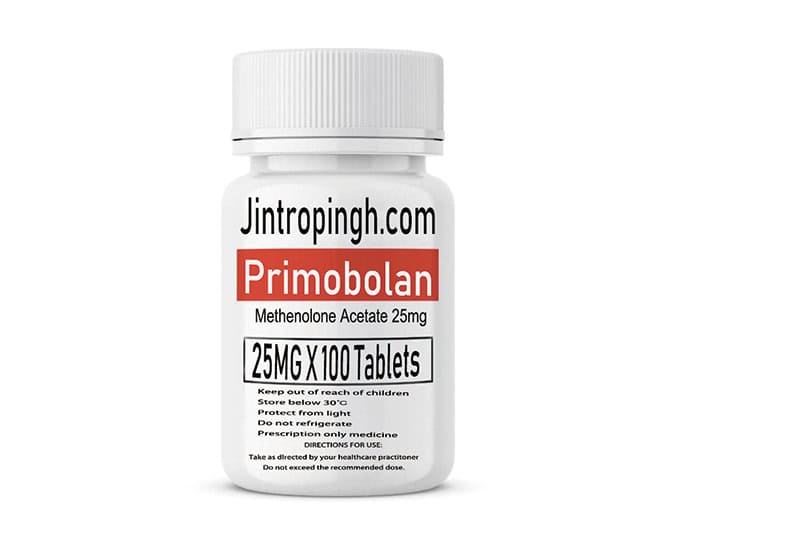
Primobolan 25mg 100pcs Methenolone Acetate Oral Steroids Tablets
Original price was: $240.00.$100.00Current price is: $100.00. -
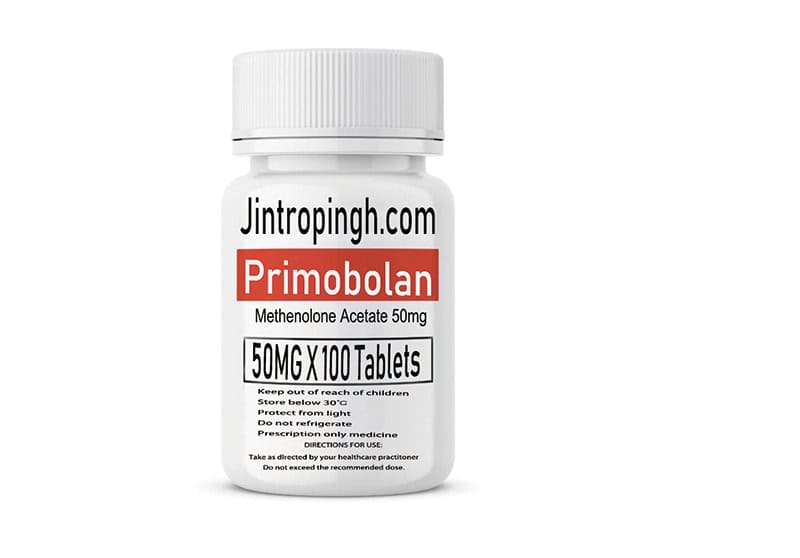
Primobolan 50mg 100pcs Methenolone Acetate Oral Steroids Tablets
Original price was: $300.00.$180.00Current price is: $180.00. -
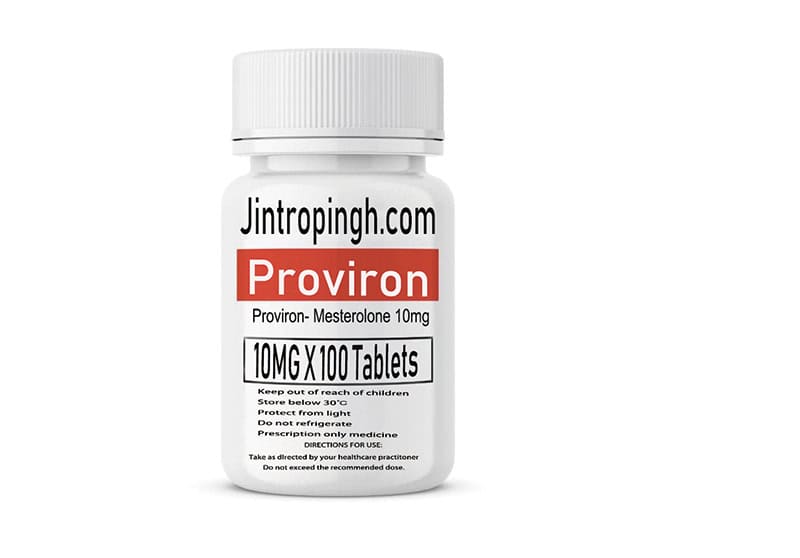
Proviron Mesterolone 10mg 100pcs Oral Steroids Tablets
Original price was: $120.00.$50.00Current price is: $50.00. - Sale!
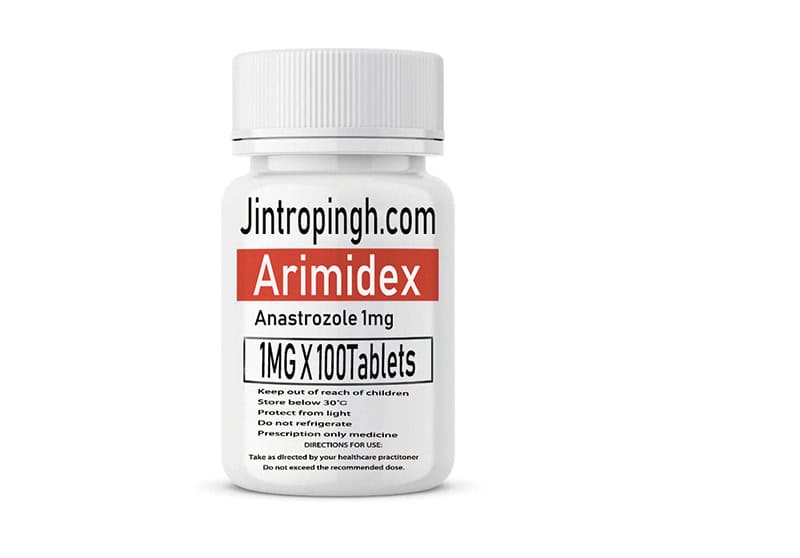
Arimidex Anastrozole 1mg 100pcs Oral Steroids Tablets
Original price was: $110.00.$55.00Current price is: $55.00.


Reviews
There are no reviews yet.