
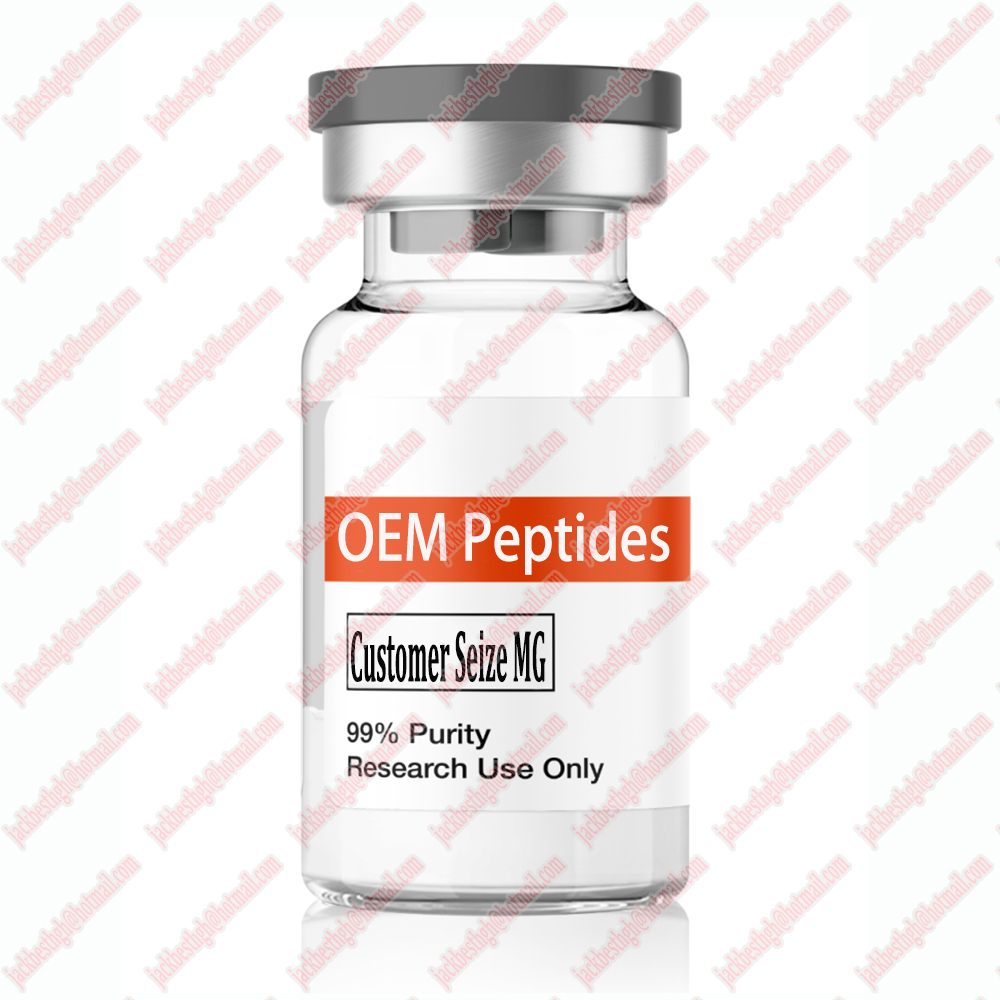
Thymulin 10mg 10vials
$110.00
Thymulin is a zinc-dependent nonapeptide that forms a biologically active metallopeptide complex essential for T-lymphocyte differentiation. It activates CD4 and CD8 phenotypic expression via G-protein coupled receptors, providing a unique pathway for neuroendocrine-immune crosstalk research.
100% delivery
- Satisfaction Guaranteed
- No Hassle Refunds
- Secure Payments
Description
Thymulin Zinc-Dependent Thymic Peptide Immune Modulation Research
Mode of Action
The biochemical activity of Thymulin is fundamentally contingent upon its capacity to form a biologically active metallopeptide complex with equimolar concentrations of zinc ($Zn^{2+}$). Initially, the nonapeptide sequence coordinates with the zinc cation at a specific binding pocket, which is essential for receptor recognition. This defines the first semantic triple: [Thymulin binds zinc ions]. Additionally, this coordination complex is recognized by high-affinity G-protein coupled receptors on the surface of immature T-lymphocytes. This establishes the second triple: [Zinc-Thymulin activates G-protein receptors]. Thirdly, the resulting signal transduction triggers intracellular cyclic adenosine monophosphate (cAMP) elevations, leading to the phenotypic expression of CD4 and CD8 surface markers. This forms the third triple: [Thymulin induces T-cell differentiation]. Quantitatively, the peptide possesses an exceptionally short plasma half-life of approximately 2 to 5 minutes, requiring specific research protocols to maintain systemic receptor occupancy. Unlike Thymosin Alpha-1, which functions as a larger 28-amino acid immunomodulator, Thymulin is a smaller nonapeptide that provides a unique pathway for investigating neuroendocrine-immune crosstalk.
Product Specifications
- CAS Number: 63958-64-9
- Molecular Formula: C33H54N12O15
- Molecular Weight: 858.85 Da
- Purity: >99.0% via HPLC-UV and Mass Spectrometry
- Appearance: Fine white sterile lyophilizate
Research Observations
- Enhanced T-Cell Maturation: Users in research models report significant increases in the population of mature, functional T-lymphocytes in peripheral tissues.
- Neuroendocrine Modulation: Published research indicates that the peptide influences the release of prolactin, ACTH, and LH, supporting HPA axis homeostasis.
- Resolution of Inflammatory Pain: As documented in protocols, research models show a reduction in hyperalgesia and pro-inflammatory cytokine expression.
- Restoration of Thymic Function: Multiple research groups note that administration may assist in maintaining thymic output during age-related or stress-induced involution.
- Antioxidant Signaling: Research models have observed a decrease in oxidative stress markers within the spleen and lymph nodes.
Overview
Thymulin, historically documented as Facteur Thymique S??rique (FTS), is a defined nonapeptide hormone synthesized by thymic epithelial cells that governs the extra-thymic differentiation of T-lymphocytes. It operates as a critical signaling molecule at the intersection of the immune system and the hypothalamic-pituitary-adrenal (HPA) axis. [Thymulin promotes T-cell maturation].
Summary:
Thymulin represents a high-feasibility research tool for investigating the targeted epigenetic modulation of T-cell maturation and neuroendocrine signaling.
Frequently Asked Questions
What is the half-life of Thymulin?
Thymulin has a very short plasma half-life of approximately 2 to 5 minutes, though its biological effects on T-cell maturation persist longer.
Does Thymulin require Zinc to work?
Yes, Thymulin must be complexed with zinc ions to be biologically active; researchers often ensure adequate zinc is present in the assay.
How should I store mixed Thymulin?
Once mixed with Bacteriostatic Bac.water, keep the solution in a refrigerator at 2-8??C and use it within 7 days for maximum purity.
Is Thymulin the same as Thymalin?
No, Thymulin is a specific synthetic nonapeptide (Glu-Ala-Lys-Ser-Gln-Gly-Gly-Ser-Asn), while Thymalin is a broader thymic extract containing multiple peptide fractions.
What is a typical research dose?
Experienced researchers typically utilize 500mcg to 2mg daily for 10-20 days to evaluate immune system differentiation and neuroendocrine markers.
These statements have not been evaluated by the Food and Drug Administration. This product is not intended to diagnose, treat, cure, or prevent any disease. Consult a qualified healthcare professional before use.
You must be logged in to post a review.
Related products
- Sale!
Triptorelin GnRII Triptorelin 2mg * 10 Vials * 1 kit -Min order 200vials
Original price was: $150.00.$85.00Current price is: $85.00. -
- Sale!
Thymosin Alpha-1 10mg 10Vials
Original price was: $530.00.$265.00Current price is: $265.00. - Sale!


Reviews
There are no reviews yet.