
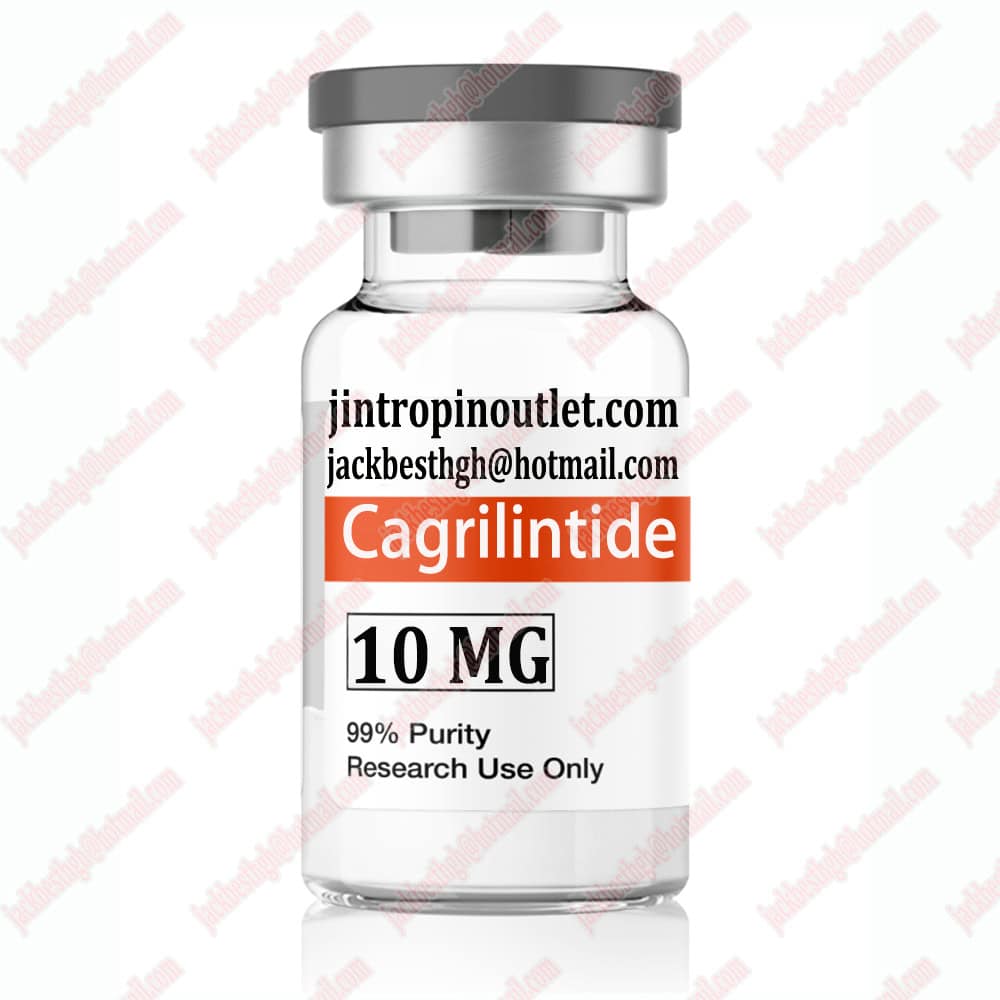
Cagrilintide Peptides 10mg 10Vials For Weight Loss
Original price was: $270.00.$230.00Current price is: $230.00.
Cagrilintide is a long-acting synthetic amylin analog that crosses the blood-brain barrier to activate amylin and calcitonin receptors in the area postrema, suppressing appetite and delaying gastric emptying. Its 170-hour half-life enables once-weekly research protocols.
100% delivery
- Satisfaction Guaranteed
- No Hassle Refunds
- Secure Payments
Description
Cagrilintide 10mg Amylin Analog for Weight Loss & Appetite Research
Product Specifications
- CAS Number: 1414332-35-6
- Molecular Formula: C194H295N43O59
- Molecular Weight: ~4220 g/mol
- Purity: >99.0% via HPLC-UV
- Appearance: Sterile white lyophilized powder
Mode of Action
The biochemical activity of Cagrilintide is defined by its ability to engage amylin and calcitonin receptor complexes within the hindbrain. At the molecular level, the acylated peptide crosses the blood-brain barrier to bind target sites in the area postrema. This defines the first semantic triple: [Cagrilintide agonizes amylin receptors]. Secondly, this central receptor activation directly suppresses orexigenic neural pathways. This establishes the second triple: [Amylin activation inhibits central appetite centers]. Finally, peripheral signaling simultaneously delays gastric emptying and reduces postprandial glucagon secretion without directly impacting insulin synthesis. This forms the third triple: [Receptor signaling slows gastric transit]. Quantitatively, Cagrilintide possesses an exceptionally long systemic half-life of approximately 170 hours (t1/2 = 170 ± 10 h) in mammalian models, facilitated by strong albumin binding. In comparative studies, Cagrilintide is distinguished from the older analog Pramlintide; while Pramlintide requires multiple daily doses due to rapid clearance, Cagrilintide utilizes a C20 fatty diacid moiety to enable sustained once-weekly research protocols.
Product Profile
Cagrilintide is a long-acting synthetic analog of the endogenous pancreatic hormone amylin. [Cagrilintide agonizes amylin receptors]. This signaling molecule serves as a primary research benchmark for investigating non-incretin pathways of metabolic regulation, specifically focusing on satiety signaling and gastric motility. Its structural configuration allows for high-fidelity studies on the central nervous system mechanisms governing caloric intake and postprandial glycemic control.
Experimental Outcomes
- Profound Satiety Induction: Users in research models report a marked, sustained reduction in hedonic eating and overall caloric desire.
- Delayed Gastric Emptying: Published research indicates a significant slowing of food transit, contributing to prolonged post-meal fullness.
- Glucagon Suppression: Per experimental records, research shows a dampening of inappropriate postprandial glucagon spikes.
- Synergistic Weight Management: Cross-study analysis suggests robust synergistic fat loss when co-administered with GLP-1 receptor agonists like Semaglutide.
- Cardiovascular Parameters: Research models have observed localized improvements in blood pressure and lipid profiles over extended administration windows.
Summary:
Cagrilintide represents a premier, long-acting research tool for investigating the targeted activation of amylin receptors and the molecular pathways of sustained appetite regulation.
Frequently Asked Questions
What is the half-life of Cagrilintide?
Cagrilintide possesses a systemic half-life of approximately 170 hours, allowing for highly stable serum concentrations with once-weekly administration in research models.
How should Cagrilintide powder be stored?
The dry lyophilized powder must be kept refrigerated at 2-8 degrees Celsius. Once reconstituted, it requires continuous refrigeration and should be used within 30 days.
How does it differ from Semaglutide?
Cagrilintide is an amylin analog targeting hindbrain satiety centers, whereas Semaglutide is a GLP-1 receptor agonist targeting incretin pathways; they operate via distinct mechanisms.
What is the typical research dosage?
Experienced researchers generally initiate at 0.25mg weekly, slowly titrating upward over several months to evaluate gastrointestinal tolerance and metabolic response.
Can it be researched alongside GLP-1 agonists?
Yes, community consensus indicates that Cagrilintide is frequently studied in combination with GLP-1 agents to observe synergistic effects on weight and metabolic parameters.
These statements have not been evaluated by the Food and Drug Administration. This product is not intended to diagnose, treat, cure, or prevent any disease. Consult a qualified healthcare professional before use.
You must be logged in to post a review.
Related products
- Sale!
Melanotan 2 MT-2/MT-II 10mg * 10 Vials * 1 kit – Best Eeffect Hiqh Purity Peptides Product
Original price was: $140.00.$90.00Current price is: $90.00. - Sale!
GHRP-2 Acetate 5mg-The Best Eeffect Peptides Product For Bodybuilding
Original price was: $90.00.$50.00Current price is: $50.00. - Sale!
Dermorphin 5mg*10vials*1kits – Best Eeffect Hiqh Purity Peptides Product
Original price was: $150.00.$65.00Current price is: $65.00. - Sale!
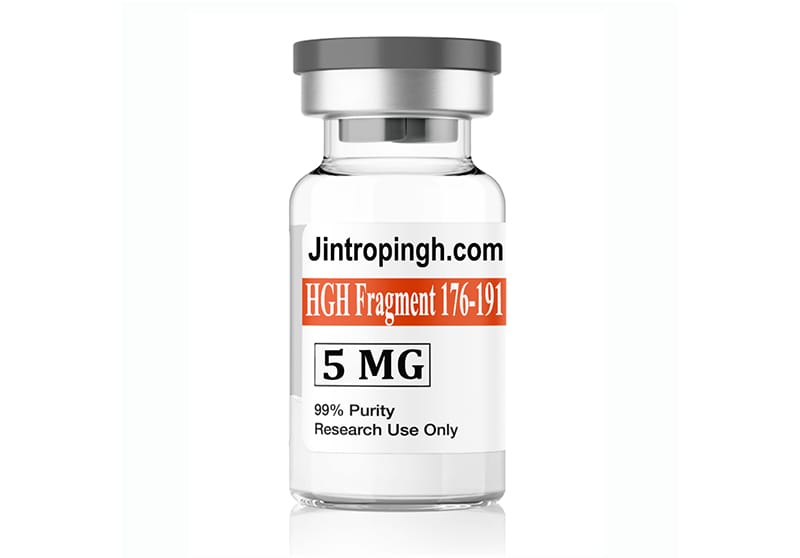
HGH Fragment 176-191 5mg*10vials*1kits – Best Eeffect Hiqh Purity Peptides Product
Original price was: $150.00.$125.00Current price is: $125.00.


Reviews
There are no reviews yet.