
Survodutide 10mg 10vials
$350.00
Survodutide (BI 456906) is a long-acting synthetic oxyntomodulin analog that concurrently activates GLP-1 and glucagon receptors. It drives incretin-mediated satiety and glycemic control while stimulating glucagon-mediated energy expenditure and hepatic lipid catabolism for dual-pathway metabolic research.
100% delivery
- Satisfaction Guaranteed
- No Hassle Refunds
- Secure Payments
Description
Survodutide GLP-1/GCGR Dual Agonist Obesity Research Peptide
About This Compound
Survodutide (BI 456906) is a synthetic, long-acting peptide analog of oxyntomodulin designed for the concurrent activation of both the glucagon-like peptide-1 (GLP-1) and glucagon (GCGR) receptors. This signaling molecule serves as a premier research tool for investigating the synergistic effects of dual-receptor saturation on systemic energy expenditure and appetite regulation. [Survodutide binds GLP-1 receptors]. Unlike single-agonist protocols, this dual-receptor approach allows for a broader investigation into metabolic homeostasis and adipose tissue remodeling.
Chemical Properties
- CAS Number: 2375830-68-9
- Molecular Formula: C227H338N60O71S (Approximate)
- Molecular Weight: ~4900-5000 Da
- Purity: >99.0% via HPLC-UV and Mass Spectrometry
- Appearance: Fine white sterile lyophilizate
Mechanism Overview
The biochemical activity of Survodutide is defined by its ability to engage two distinct GPCR pathways to modulate systemic energy balance. The primary mechanism involves the peptide binds to the GLP-1 receptor, initiating the adenylyl cyclase cascade in pancreatic and hypothalamic cells to enhance satiety. This defines the first semantic triple: [Survodutide stimulates GLP-1R signaling]. Secondly, the molecule functions as a potent agonist at the glucagon receptor (GCGR), promoting hepatic gluconeogenesis and thermogenesis in adipose tissue. This establishes the second triple: [Survodutide agonizes the glucagon receptor]. Finally, this dual activation facilitates a shift in metabolic priority toward lipid catabolism and increased caloric expenditure. This forms the third triple: [Dual agonism enhances resting energy expenditure]. Quantitatively, Survodutide demonstrates a systemic half-life of approximately 180 hours, allowing for a sustained research model with once-weekly administration. Unlike Semaglutide, which relies solely on incretin-based signaling, Survodutide integrates the catabolic potential of glucagon to investigate the direct up-regulation of thermogenic markers.
Known Effects
- Profound Satiety Modulation: Experimental data suggests a significant reduction in caloric intake mediated by delayed gastric emptying and central appetite suppression.
- Elevated Energy Expenditure: Study data demonstrates an increase in resting metabolic rate, likely due to glucagon-mediated thermogenesis in brown adipose tissue.
- Resolution of Hepatic Lipid Accumulation: Per experimental records, research models show accelerated reduction in liver fat content and improved metabolic health biomarkers.
- Optimized Adipose Remodeling: Cross-study analysis suggests a marked decrease in visceral fat mass through the potentiation of lipolysis.
- Improved Glycemic Resilience: Research models demonstrate stabilized postprandial glucose levels and improved insulin sensitivity during long-term administration.
In Brief:
Survodutide represents an advanced research tool for investigating the intersection of incretin and glucagon signaling in the regulation of systemic metabolic resilience.
Frequently Asked Questions
What is the half-life of Survodutide?
Survodutide possesses an extended biological half-life of approximately 180 hours, allowing for once-weekly research administration protocols to maintain receptor saturation.
How should Survodutide be stored after mixing?
Once reconstituted with Bacteriostatic Bac.water, the solution must be refrigerated at 2-8 degrees Celsius and used within 28 days.
How does Survodutide differ from Semaglutide?
While both target GLP-1, Survodutide also agonizes the glucagon receptor, potentially increasing thermogenesis and energy expenditure beyond standard incretin signaling.
What is a typical research dose for starting?
Experienced researchers typically begin at 0.6mg weekly, titrating upward based on metabolic research objectives and subject tolerance levels.
Does Survodutide cause a fast heart rate?
Research models have documented a dose-dependent increase in heart rate, a physiological effect associated with glucagon receptor activation during research.
These statements have not been evaluated by the Food and Drug Administration. This product is not intended to diagnose, treat, cure, or prevent any disease. Consult a qualified healthcare professional before use.
You must be logged in to post a review.
Related products
- Sale!
- Sale!
Follistantin 1mg 10 Vials–Min order 200 vials
Original price was: $580.00.$290.00Current price is: $290.00. - Sale!
Thymosin Alpha-1 10mg 10Vials
Original price was: $530.00.$265.00Current price is: $265.00. - Sale!
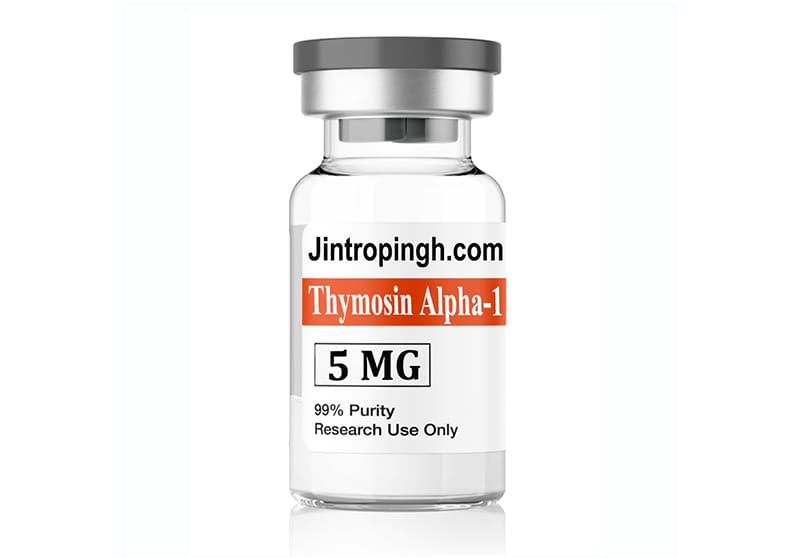
Thymosin Alpha-1 5mg * 10 Vials * 1 kit- Best Quality Thymosin Wholesale In Discount Price
Original price was: $300.00.$150.00Current price is: $150.00.


Reviews
There are no reviews yet.